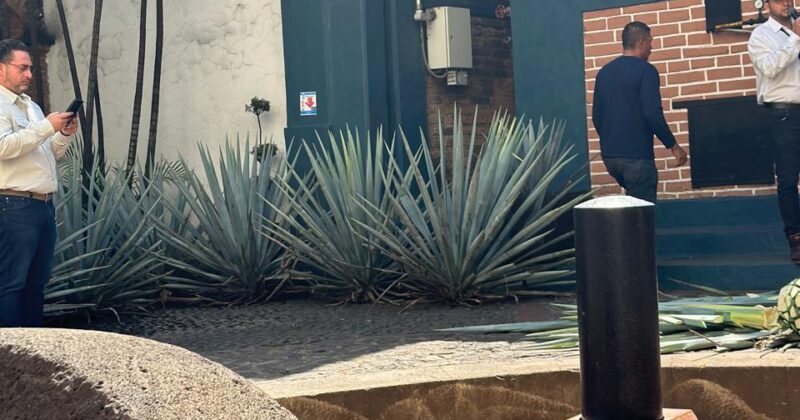
In common usage, artisanal tequila is tequila produced using more traditional methods with minimal industrial intervention, aiming to better preserve the agave’s natural aromas and flavors.
An important distinction to make is that “artisanal” is not an official legal category for tequila under the CRT (Tequila Regulatory Council) and the NOM-006-SCFI-2012 standard. The standard recognizes the categories of “Tequila” and “100% Agave Tequila,” as well as classes such as *blanco*, *joven*, *reposado*, *añejo*, and *extra añejo*. Therefore, a bottle might be labeled or marketed as “artisanal,” but that word alone does not guarantee a specific production method.
Typically, when we speak of truly artisanal tequila, we look for several of the following characteristics:
Mature *Tequilana Weber* blue agave, preferably selected based on sugar content.
Traditional cooking of the agave hearts (*piñas*) in masonry or brick ovens over many hours, rather than using extremely rapid processes.
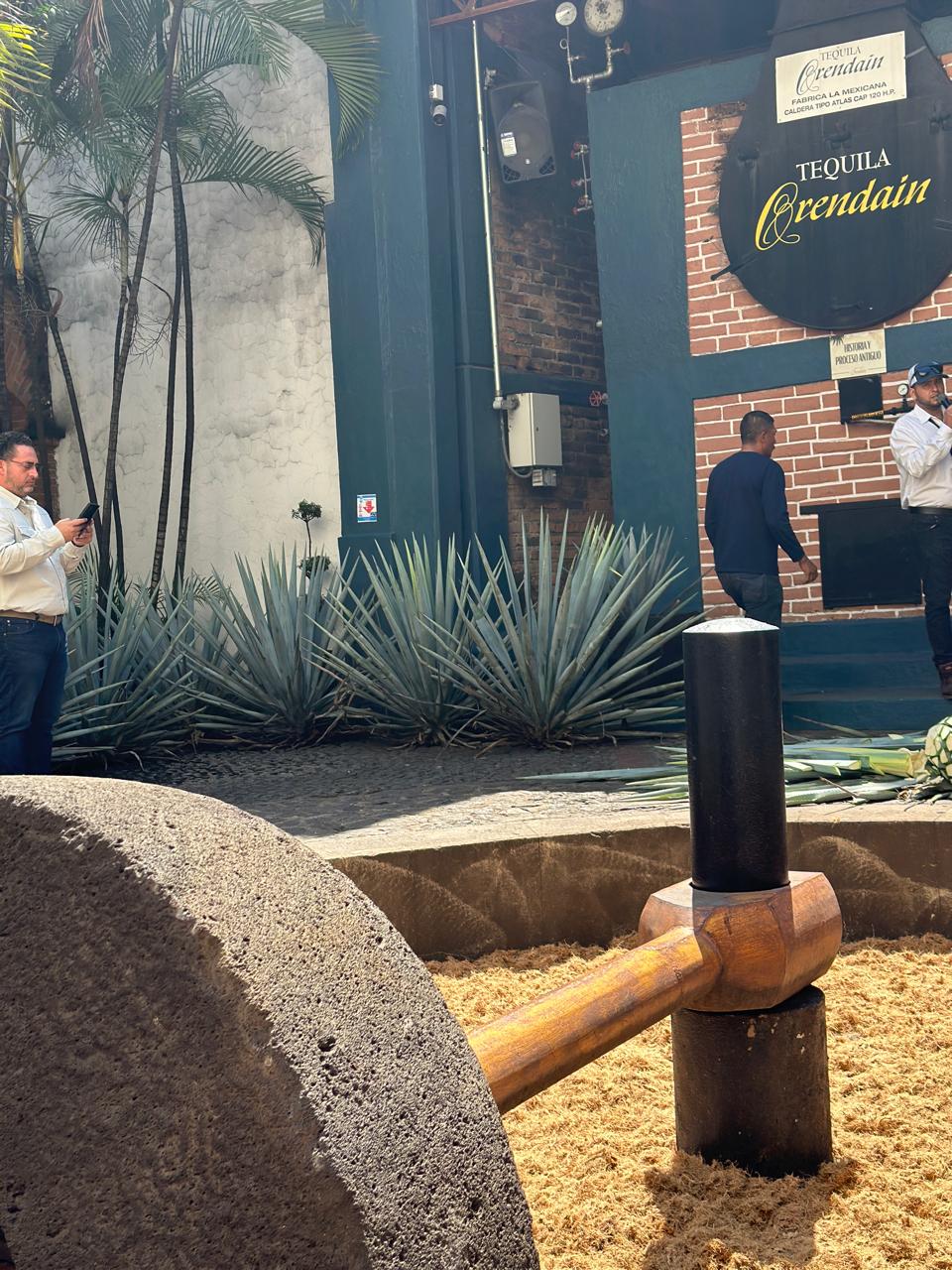
Extraction via roller mill or *tahona* (stone wheel), avoiding highly aggressive methods like the diffuser.
Slow fermentation, often in open vats and, in some cases, utilizing natural yeasts alongside selected yeast strains.
Small-batch distillation, commonly in copper stills or steel stills with copper components.
Greater involvement and decision-making by the *maestro tequilero* (master distiller) regarding fermentation, distillation cuts, and product selection.
In many cases, few or no additives are used, aiming for a flavor profile derived primarily from the agave, fermentation, distillation, and—where applicable—the barrel.
A simple way I explain this to visiting tourists is:
Artisanal tequila does not simply mean “handmade.” It means that production strives to respect traditional processes, longer timeframes, and minimal industrial intervention in order to preserve the agave’s unique character.
The 15 Most Renowned Artisanal Tequilas from Mexico: 2026 Guide
To make this comparison as accurate as possible, the Blanco/Plata expression of each brand is used as the main reference. Blanco tequila makes it easier to compare production methods because barrel aging does not significantly alter the original agave profile.
It is also important to clarify that “artisanal” does not automatically mean “tahona-made.” Some excellent traditionally produced tequilas use roller mills or even low-pressure autoclaves while still maintaining careful, high-quality production methods.
Comparative Table: 15 Recognized Artisanal and Traditionally Produced Tequilas
| Brand / Reference Expression | Tahona | Brick Oven | Autoclave | Natural Fermentation | NOM | Region | Approx. Price | ||
| Fortaleza Blanco | ✅ | ✅ | ❌ | Open fermentation; spontaneous fermentation not specifically documented | 1493 | Tequila / Valley Region | Approx. $1,550 MXN | ||
| Siete Leguas Blanco | ✅ + roller mill | ✅ | ❌ | ✅ Spontaneous and open fermentation | 1120 | Atotonilco el Alto / Highlands | Approx. $730 MXN / 1 L | ||
| Cascahuín Tahona Blanco | ✅ | ✅ | ❌ | Open fermentation with agave fibers | 1123 | El Arenal / Valley Region | Approx. $925–$960 MXN | ||
| Tequila Ocho Plata | ❌ | ✅ | ❌ | Open fermentation; spontaneous fermentation not specifically documented | 1474 | Jalisco Highlands | Approx. $690–$730 MXN | ||
| El Tesoro Blanco | ✅ | ✅ | ❌ | Open fermentation; cultured yeast is used | 1139 | Arandas / Highlands | Approx. $1,650–$1,900 MXN | ||
| Tapatío Blanco | ✅ + roller mill | ✅ | ❌ | Open fermentation with agave fibers | 1139 | Arandas / Highlands | Approx. $750 MXN / 1 L | ||
| G4 Blanco | ✅¹ | ✅ | ❌ | Open fermentation; spontaneous fermentation not confirmed | 1579 | Jesús María / Highlands | Approx. $650–$850 MXN | ||
| Don Fulano Blanco | ❌ | ❌ | ✅ Low pressure | ❌ Proprietary yeast; open fermentation | 1146 | Tequila / Valley Region | Approx. $925 MXN | ||
| Arette Artesanal Blanco | ❌ | ✅ | ❌ | ✅ Spontaneous / native yeast fermentation | 1109 | Tequila / Valley Region | Approx. $735–$850 MXN | ||
| Siembra Valles Blanco | ❌ | ✅ | ❌ | Not publicly documented as spontaneous | 1123 | El Arenal / Valley Region | Approx. US$70–75² | ||
| Volans Blanco | ✅ | ✅ | ❌ | Not publicly documented as spontaneous | 1579 | Jesús María / Highlands | Approx. $990 MXN | ||
| Terralta Blanco | ✅ | ✅ | ❌ | Not publicly documented as spontaneous | 1579 | Jesús María / Highlands | Approx. US$40–60² | ||
| LALO Blanco | ❌ | ✅ | ❌ | ❌ Champagne yeast; open fermentation | 1468 | Jalisco Highlands | Approx. US$38–45² | ||
| El Tequileño Platino | ❌ | ❌ | ✅ High pressure | Fermented in cement tanks; spontaneous fermentation not confirmed | 1108 | Tequila / Valley Region | Approx. $650 MXN | ||
| Volcán de mi Tierra Blanco Tahona | ✅ | ✅ | ✅ | Open fermentation with agave fibers | 1523 | Valley Region | Approx. $1,425–$1,900 MXN |
What the Table Reveals
Fortaleza, Siete Leguas, Cascahuín Tahona, and El Tesoro are among the clearest examples of what most consumers imagine when they hear the term traditional artisanal tequila: brick ovens, tahona crushing, relatively traditional fermentation, and careful distillation in pot stills.
However, one of the most important conclusions is that not using a tahona does not automatically mean lower quality.
Tequila Ocho, for example, uses roller mills and is nevertheless widely respected for its traditional production philosophy and its strong expression of agave character.
LALO also does not use a tahona. Its production is intentionally simple and transparent, focusing mainly on cooked agave, water, yeast, fermentation, and distillation.
Likewise, using an autoclave does not automatically mean a tequila is industrial or inferior.
Don Fulano uses a low-pressure autoclave while maintaining a production philosophy strongly focused on agave flavor, fermentation character, and careful distillation.
None of these 15 tequila expressions is produced using a diffuser.
A diffuser is a highly efficient industrial extraction system that can extract fermentable sugars from raw or partially cooked agave fibers. It can dramatically increase efficiency and production volume, but many tequila enthusiasts believe it may reduce some of the cooked-agave character associated with more traditional production methods.
For consumers searching specifically for traditionally produced or artisanal-style tequila, the absence of diffuser processing is therefore an important consideration.
Natural Fermentation vs. Open Fermentation
Another distinction that should not be overlooked is the difference between natural or spontaneous fermentation and open fermentation.
They are not the same thing.
An open fermentation tank allows interaction with the surrounding environment, but the producer may still add selected commercial or proprietary yeast strains.
For example, LALO uses open-air fermentation but inoculates with Champagne yeast.
Siete Leguas, on the other hand, is known for spontaneous fermentation as part of its traditional production process.
Therefore, when comparing tequila production methods, it is more accurate to ask:
And here is a distinction I consider very important: an artisanal tequila isn’t necessarily better simply because it’s labeled “artisanal,” nor is a tequila produced on a larger scale necessarily bad. What matters is how the agave was cooked, how the sugars were extracted, how it was fermented and distilled, and what was done with the tequila afterward.
For instance, regarding the Tequila Route experiences, I would draw the distinction like this:
Traditional/Artisanal:
Agave → masonry oven → mill/tahona → slow fermentation → pot still → tequila.
Highly Industrialized:
Agave → accelerated cooking or diffuser extraction → large-scale controlled fermentation → continuous or highly automated distillation → profile standardization.
Furthermore, tequila can only be produced under the Denomination of Origin and using *Agave tequilana* Weber (blue variety), in compliance with the NOM (Official Mexican Standard) and certified by the Tequila Regulatory Council.
If you like, I can also explain the exact differences between artisanal, traditional, industrial, and diffuser tequilas, because that is where the comparison gets really interesting.