How to Tell if a Tequila Is Really Good: The Complete Guide to Avoid Being Fooled
Every year, millions of travelers come to visit Jalisco with one dream: to taste authentic Mexican tequila. But once they step into a liquor store, duty-free shop, or even a distillery, they quickly discover an overwhelming reality—hundreds of brands, multiple aging categories, countless marketing claims, and conflicting advice.
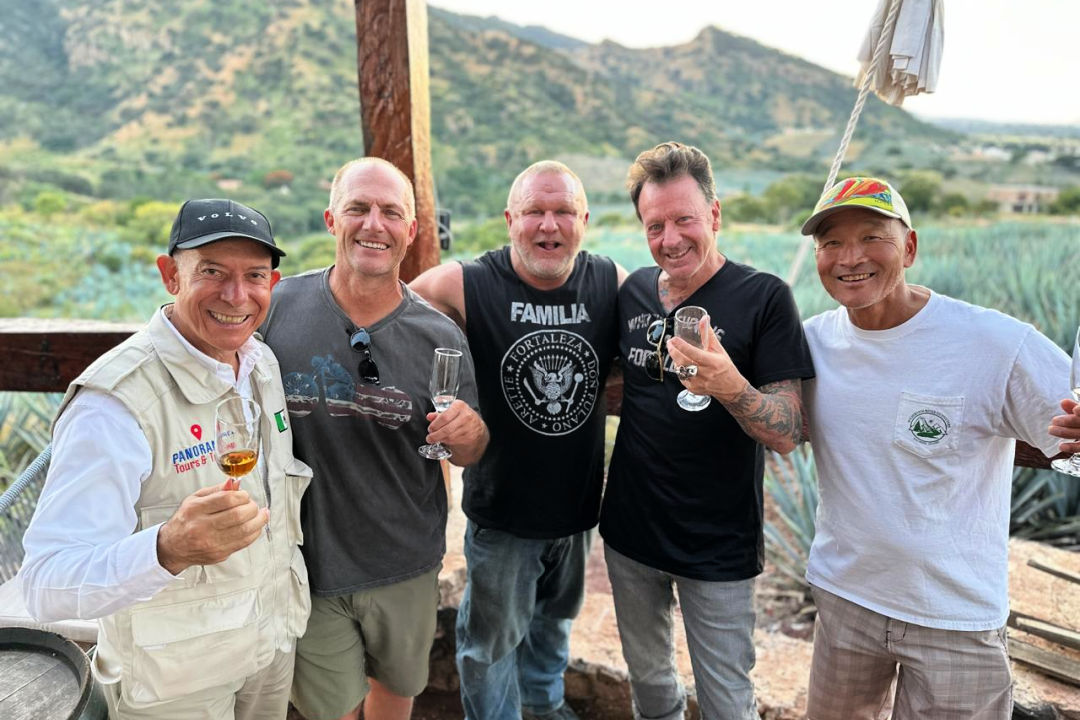
Many people assume that the most expensive bottle must be the best. Others choose based on an eye-catching bottle design or trust a salesperson’s recommendation.
The truth is quite different.
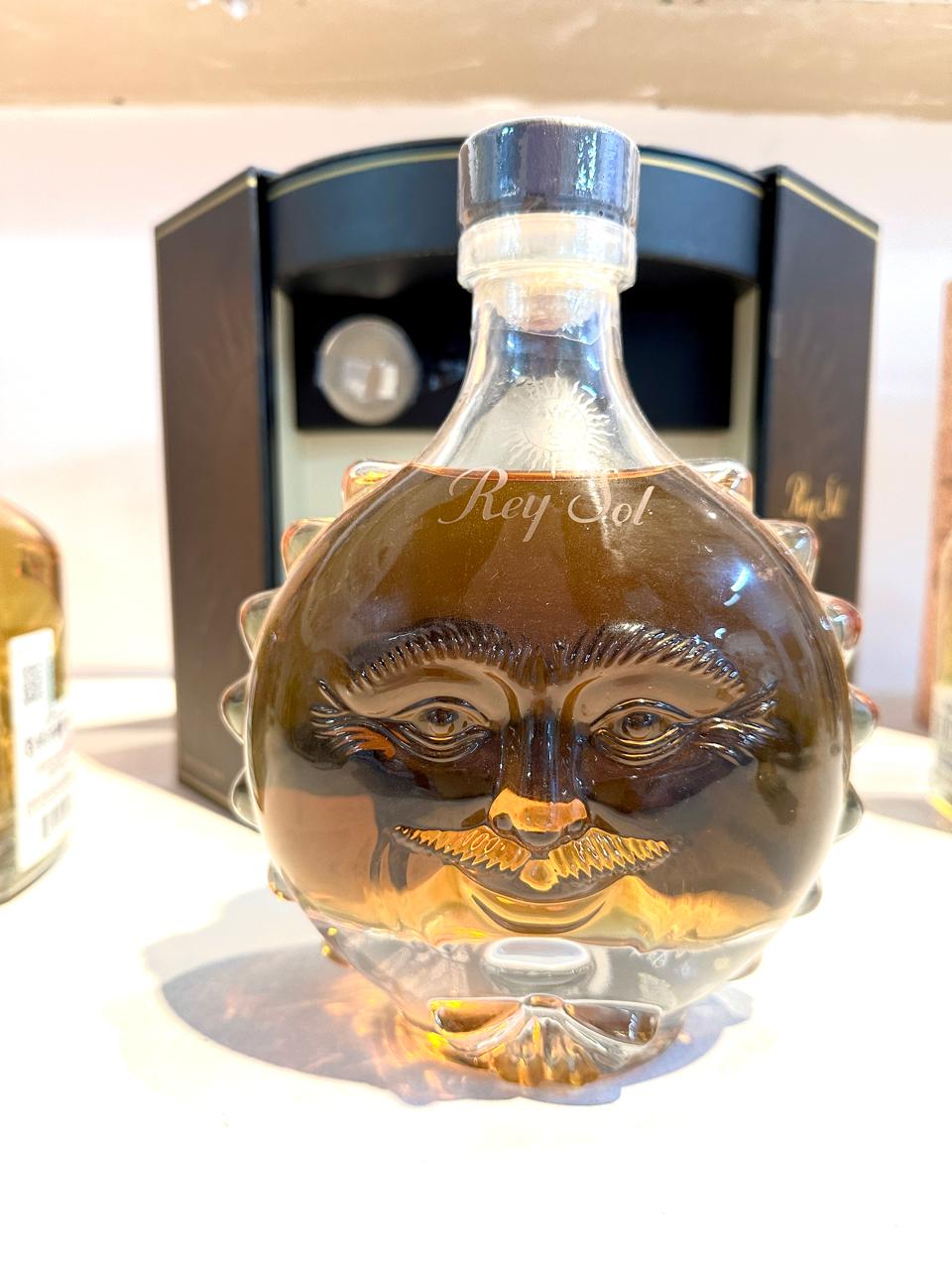
A truly exceptional tequila isn’t always the most expensive, the most famous, or the one packaged in the fanciest crystal bottle. Learning how to recognize quality tequila means understanding how it’s made, knowing what to look for on the label, and training your senses to appreciate what really matters.
If you’ve ever wondered how experts distinguish an outstanding tequila from an average commercial bottle, this guide will teach you exactly what to look for before making your next purchase.
What Makes a Great Tequila?
The quality of tequila begins long before it reaches the bottle.
It starts in the agave fields.
Blue Weber Agave (Agave tequilana Weber var. Azul) requires approximately six to eight years to fully mature. During this time, the plant stores natural sugars that will later be transformed into alcohol through cooking, fermentation, and distillation.
When producers harvest fully mature agaves and respect traditional production methods, the result is usually a richer, more complex tequila.
Mass-produced tequilas often prioritize efficiency over character. While industrial methods don’t automatically produce inferior tequila, they frequently result in spirits with less aromatic complexity and depth.
How to Spot a Great Tequila at a Glance
| ✅ Look For | Why It Matters |
|---|---|
| 100% Blue Weber Agave | Ensures all fermentable sugars come from agave for a cleaner, richer flavor. |
| NOM Number | Identifies the certified distillery where the tequila was produced. |
| CRT Certification Seal | Confirms authenticity and compliance with Mexican tequila regulations. |
| Balanced Aroma | You should smell agave, fruit, herbs, spices, or oak—not just alcohol. |
| Smooth Finish | Quality tequila lingers pleasantly instead of burning. |
| Natural Complexity | Multiple layers of flavor indicate careful craftsmanship. |
| Transparent Production | Great brands proudly share their production methods and origin. |
The First Thing You Should Check: The Label
Before opening the bottle, the label can already tell you a great deal.
1. It Must Say “Tequila”
This may seem obvious, but many agave spirits are not legally tequila.
To carry the name “Tequila,” the spirit must comply with Mexico’s Denomination of Origin regulations and be produced only in authorized regions using Blue Weber Agave.
2. Look for “100% Agave”
This is arguably the most important piece of information.
You’ll find two main categories.
100% Agave Tequila
All fermentable sugars come exclusively from Blue Weber Agave.
These tequilas generally offer:
- Richer agave character
- Cleaner flavors
- Better mouthfeel
- Greater aromatic complexity
If you plan to sip tequila neat, this should always be your first choice.
Tequila (Mixto)
If the bottle simply says “Tequila,” it may legally contain up to 49% fermentable sugars from sources other than agave.
These products are commonly known as mixtos.
Mixtos aren’t necessarily bad.
Many classic cocktails are traditionally made with them.
However, if you want to experience tequila in its purest form, choose a 100% Agave expression.
The Ultimate Tequila Comparison Guide: How to Choose a Truly Great Tequila
| Feature | 🥃 Blanco | 🟡 Reposado | 🟤 Añejo | ⚫ Extra Añejo |
|---|---|---|---|---|
| Aging | Unaged or up to 2 months | Minimum 2 months in oak | Minimum 1 year in oak | More than 3 years in oak |
| Color | Crystal clear | Light golden | Amber | Dark amber |
| Dominant Aroma | Cooked agave, citrus, herbs | Vanilla, honey, light oak | Chocolate, coffee, dried fruit | Tobacco, caramel, cocoa, oak |
| Flavor Profile | Fresh, vibrant, herbal | Smooth, balanced, slightly sweet | Rich, complex, elegant | Deep, velvety, luxurious |
| Best For | Tastings & premium cocktails | Everyday sipping | Slow sipping | Special occasions & collectors |
| Shows Pure Agave Character | ⭐⭐⭐⭐⭐ | ⭐⭐⭐⭐☆ | ⭐⭐⭐☆☆ | ⭐⭐☆☆☆ |
| Typical Price | $ | $$ | $$$ | $$$$ |
The NOM Number: Tequila’s Fingerprint
One of tequila’s best-kept secrets is hidden in plain sight.
Look for the NOM number.
NOM stands for Norma Oficial Mexicana.
Every certified tequila distillery has its own unique identification number.
Examples include:
- NOM 1123
- NOM 1414
- NOM 1499
- NOM 1607
The NOM tells you exactly which distillery produced the tequila.
Many different brands are actually made in the same distillery.
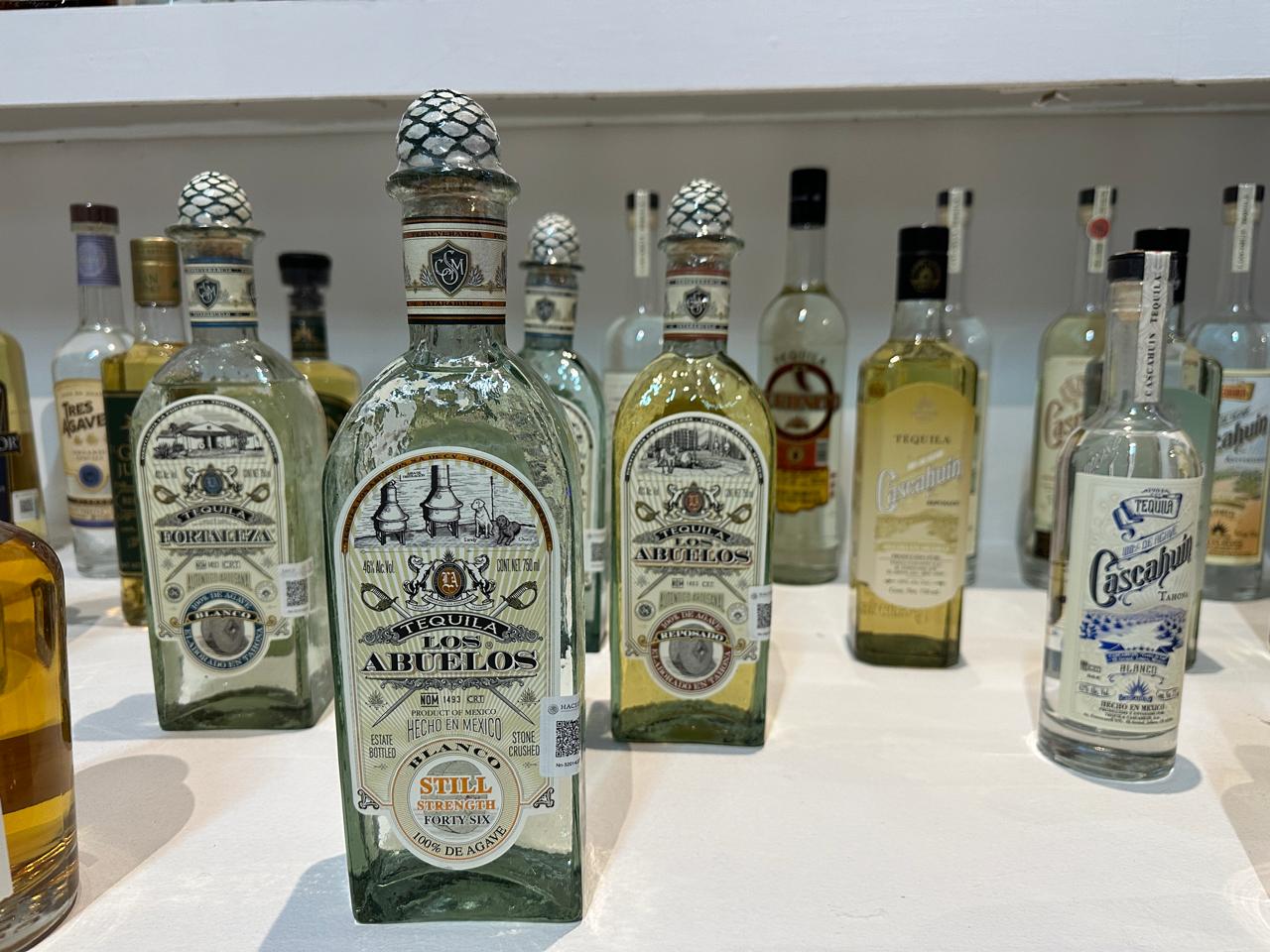
The bottle, label, and marketing may differ, but the tequila often comes from the same production facility.
Experienced tequila enthusiasts often research the NOM before purchasing a bottle.
Look for CRT Certification
A quality tequila should also display certification from the Tequila Regulatory Council (CRT).
The CRT verifies that tequila complies with all official production standards and authenticity requirements established under Mexican law.
Price Does Not Always Mean Quality
One of the biggest misconceptions in the tequila world is that expensive automatically means better.
Some premium-priced bottles cost more because of:
- Handcrafted crystal decanters
- Luxury packaging
- Precious metal decorations
- Celebrity endorsements
- Limited editions
—not necessarily because the tequila inside is superior.
Conversely, many reasonably priced tequilas deliver extraordinary quality.
Never judge tequila by its price tag alone.
Myth vs. Reality
| ❌ Myth | ✅ Reality |
|---|---|
| The most expensive tequila is always the best. | Luxury bottles often cost more because of packaging and marketing—not necessarily better tequila. |
| If tequila burns, it’s high quality. | Premium tequila is remarkably smooth and balanced. |
| Darker tequila is automatically better. | Color reflects barrel aging—not overall quality. |
| All tequilas taste the same. | Every distillery has its own unique production style and flavor profile. |
| Salt and lime are part of proper tequila tasting. | They’re traditionally used to mask harsh tequila. Great tequila should be enjoyed neat. |
Observe the Tequila
Before tasting it, simply look at it.
A well-made tequila should appear:
- Bright
- Clean
- Crystal clear (for Blancos)
- Free of sediment
When you gently swirl the glass, you’ll notice “legs” or “tears” running down the sides.
Many people mistakenly believe these indicate quality.
In reality, they mostly reflect alcohol content and viscosity—not craftsmanship.
Aroma Reveals Everything
Now the real evaluation begins.
Bring the glass toward your nose slowly.
Don’t bury your nose inside the glass.
Take gentle, short inhalations.
A quality tequila develops in layers.
Blanco Tequila
Expect aromas such as:
- Cooked agave
- Citrus
- Fresh herbs
- White pepper
- Floral notes
- Mineral hints
Reposado
Additional aromas may include:
- Vanilla
- Honey
- Light caramel
- Almond
- Gentle oak
Añejo
You’ll often discover:
- Chocolate
- Coffee
- Dried fruit
- Tobacco
- Baking spices
- Toasted oak
If the only thing you smell is aggressive alcohol, you’re probably not dealing with an especially refined tequila.
Balance Is the Key to Flavor
A great tequila isn’t simply “strong.”
Alcohol strength alone says nothing about quality.
Exceptional tequila achieves harmony between:
- Natural agave sweetness
- Minerality
- Acidity
- Spice
- Texture
- Long finish
The best tequilas evolve on your palate.
New flavors emerge as you sip.
That’s what complexity looks like.
Great Tequila Shouldn’t Burn
Many people believe that if tequila burns, it must be good.
Actually, the opposite is often true.
A properly crafted tequila feels remarkably smooth.
The alcohol is integrated into the flavor profile rather than dominating it.
The Finish Is the Ultimate Test
Professionals often judge spirits by their finish.
A high-quality tequila leaves lingering notes of:
- Agave
- Vanilla
- Fruit
- Spice
- Oak
These flavors remain long after swallowing.
If all that remains is a harsh alcohol sensation, it’s probably not an exceptional tequila.
Understanding Tequila Aging Categories
Each style offers a unique tasting experience.
| Style | Aging | Flavor Profile | Best For |
| Blanco | Unaged or aged up to 2 months | Pure agave, citrus, herbal | Tasting, cocktails |
| Reposado | Minimum 2 months in oak | Vanilla, honey, spice | Sipping or pairing with food |
| Añejo | Minimum 1 year in oak | Chocolate, coffee, dried fruit | Slow sipping |
| Extra Añejo | More than 3 years in oak | Rich oak, caramel, tobacco | Special occasions and collectors |
Does Darker Color Mean Better Tequila?
Not necessarily.
Some tequilas develop color naturally during barrel aging.
Others may legally use approved additives to adjust appearance.
Darker doesn’t automatically mean better.
What About Crystals Inside the Bottle?
Don’t panic.
Natural agave oils can occasionally crystallize at low temperatures.
This isn’t a defect.
In fact, it may indicate minimal filtration.
How to Taste Tequila Properly
Forget the salt and lime.
That tradition was originally used to mask harsh tequila.
To truly appreciate quality tequila:
- Use a proper tasting glass or tequila glass.
- Serve it at room temperature.
- Observe its appearance.
- Smell it several times.
- Take small sips.
- Let it coat your palate.
- Exhale gently through your nose after swallowing.
You’ll discover aromas and flavors you never noticed before.
The Most Common Mistakes Tourists Make
Many visitors unknowingly make these mistakes (DO NOT INCLUDE THOSE WHO HAVE TRAVELLED WITH PANORAMEX TOURS):
- Buying based only on the bottle design
- Assuming the most famous brand is the best
- Believing expensive always means superior
- Thinking all tequilas taste the same
- Ignoring the “100% Agave” statement
- Never checking the NOM
- Drinking tequila as a quick shot instead of tasting it
The Best Place to Learn About Tequila
Nothing compares to visiting tequila at its birthplace.
A guided distillery tour allows you to experience every step of production:
- Agave cultivation
- Harvesting by jimadores
- Traditional ovens
- Milling
- Fermentation
- Distillation
- Barrel aging
- Professional guided tastings
You’ll quickly understand why two tequilas made from the same agave can taste completely different depending on production methods and aging techniques.
Final Thoughts
Choosing an excellent tequila has very little to do with marketing, celebrity endorsements, or luxury packaging.
True quality comes from exceptional agave, skilled craftsmanship, careful production, and a balanced sensory experience.
The next time you shop for tequila, remember these essential checkpoints:
- ✔ Choose 100% Agave whenever possible.
- ✔ Check the NOM to identify the producing distillery.
- ✔ Look for CRT certification to confirm authenticity.
- ✔ Evaluate clarity—not just color.
- ✔ Appreciate the aroma before taking a sip.
- ✔ Look for balance rather than alcohol intensity.
- ✔ Enjoy a long, elegant finish.
Good Tequila vs. Average Tequila
🏆 Premium Tequila ⚠️ Average Commercial Tequila Agave Fully mature Blue Weber Agave Often harvested for efficiency Category 100% Agave May be Mixto Production Slow cooking, careful fermentation High-volume industrial methods Aroma Rich and layered Mostly alcohol Flavor Complex and balanced Simple and sharp Finish Long-lasting Short Sipping Experience Excellent neat Better suited for mixed drinks
Golden Rule
Never judge a tequila by its bottle. Judge it by its agave, craftsmanship, aroma, balance, and finish.
The best tequila isn’t necessarily the most expensive—it’s the one that faithfully expresses the character of the agave and the skill of the people who crafted it.
Once you learn how to taste tequila properly, you’ll discover that it is far more than just a distilled spirit. It is a reflection of Mexico’s landscapes, traditions, and craftsmanship—a story told through every glass.
The best way to deepen your appreciation is to visit the heart of tequila country, tour authentic distilleries, and experience guided tastings along the famous Tequila Route. After that, you’ll never choose a bottle the same way again.