You Can Buy the Bottle Anywhere. You Have to Travel to Taste the Place.
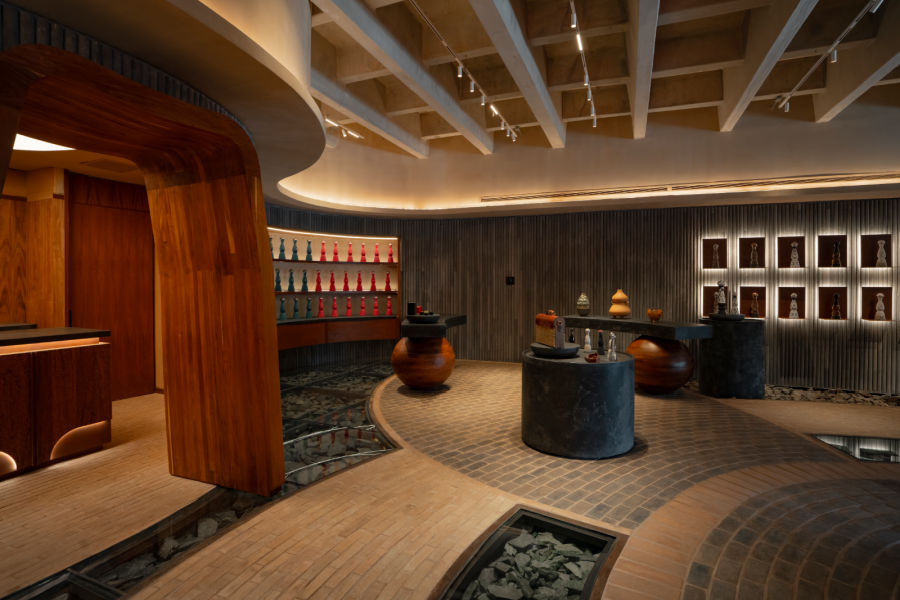
From Mexico’s Valle de Guadalupe and the legendary vineyards of Rioja to the blue-agave fields of Jalisco, the world’s great wine and tequila routes reveal an increasingly important truth: an exceptional drink does not end inside the bottle. We also consume the landscape that produced it, the architecture that gives it a home, the history that shaped it, and the cuisine that completes the journey.
There is a question worth asking whenever we travel through one of the world’s great wine or spirits regions:
If we can buy the bottle in New York, London, Madrid, Mexico City, or Los Angeles, why travel hundreds—or even thousands—of miles to the place where it was made?
The answer begins precisely where the bottle ends.
We travel to see the land.
To walk between vines or rows of blue agave. To enter cellars and distilleries. To smell oak, damp stone, roasted agave, fermenting must, or freshly turned soil. We travel to sit at a table overlooking the landscape and discover that what is in our glass somehow makes more sense when we can see where it came from. These are some of the secrets behind experiential marketing: creating meaningful experiences that allow brands to connect with the emotions of the end consumer. In this process, tour operators and DMCs play a key role in inspiring, engaging, and ultimately captivating travelers, transforming a brand message into a memorable experience.
Wine and tequila are beverages, certainly.
But they are also cultural expressions of place.
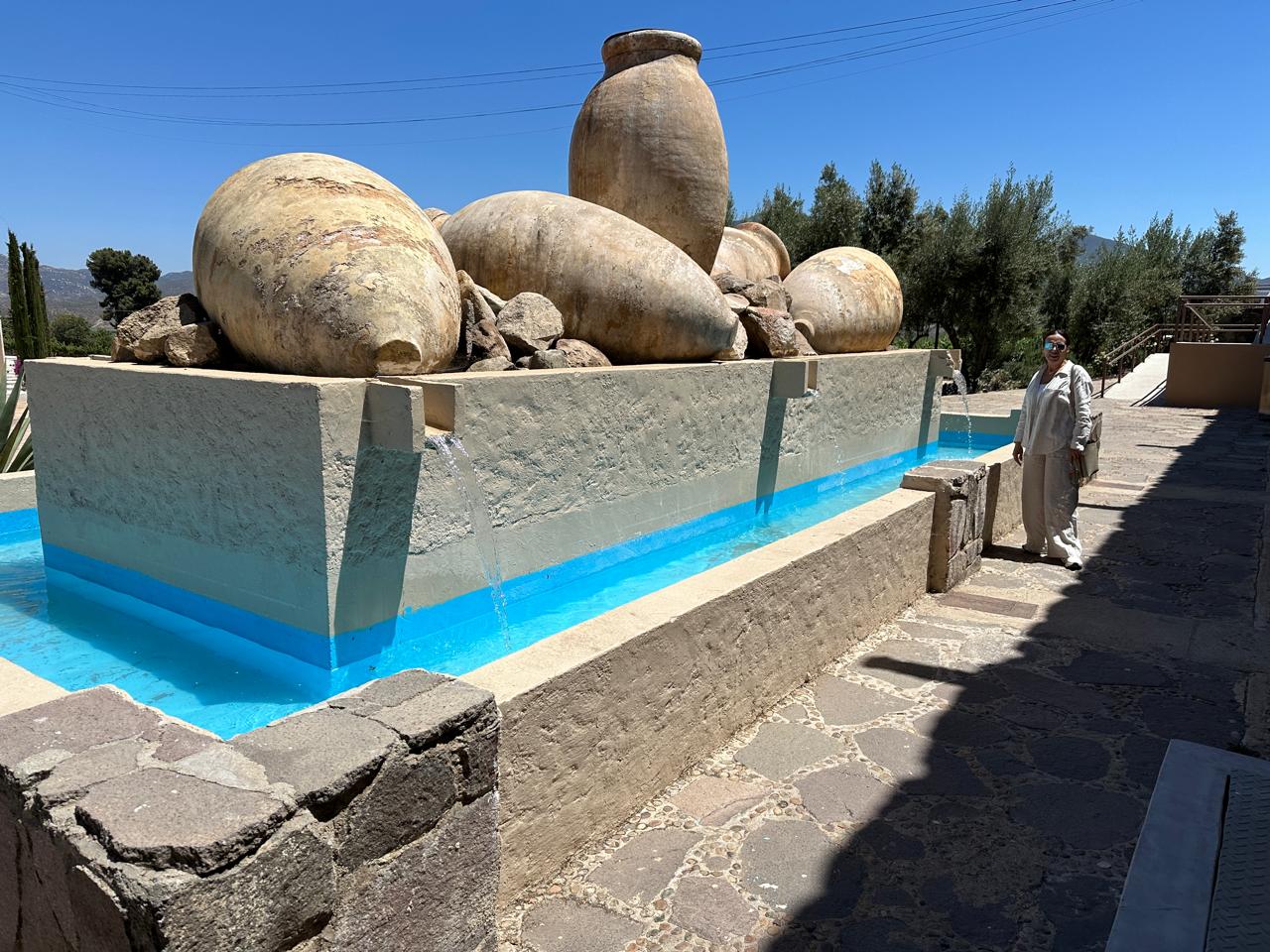
Architecture plays a surprisingly important role in transforming them from commodities into experiences. A winery, hacienda, cellar, or distillery is more than the building where a product is made. It can become the physical connection between traveler and drink—a stage on which history, craftsmanship, landscape, and brand identity are brought together.
And during the past few decades, another protagonist has become equally important:
gastronomy.
The most compelling wine and spirits destinations are no longer built around a tasting bar alone. Increasingly, they are creating complete worlds:
landscape + architecture + beverage + cuisine + hospitality.
Few places illustrate this evolution better than three remarkable regions: Valle de Guadalupe in Baja California, Rioja in Spain, and the tequila-producing landscapes of Jalisco, from the Tequila Valley to Los Altos.
Their climates are different. Their histories are different. Their drinks could hardly be more different.
Yet they are all answering the same question:
How does a beverage become a destination?
Valle de Guadalupe: When Mexican Wine Found a Landscape Worth Traveling For
Arriving in Valle de Guadalupe can feel like discovering a Mexico many international visitors never expected.
This is not the tropical landscape often associated with the country. Baja California is dry and dramatic. Mountains frame the valley. Dusty roads wind between vineyards, olive trees, granite boulders, outdoor kitchens, boutique hotels, and wineries that shift effortlessly from rustic to experimental.
Wine is everywhere.
But wine is rarely alone.
The transformation of Valle de Guadalupe into one of Mexico’s most important culinary and wine destinations did not happen overnight. Long-established producers helped create the foundations upon which the contemporary valley was built.
Pedro Domecq: Memory Before Spectacle
Bodegas Domecq represents an important chapter in the development of Mexican wine tourism.
Its presence in Valle de Guadalupe predates the architectural and gastronomic explosion that would eventually make the area internationally fashionable. Its historic cellars remind visitors that before the valley became a destination of boutique hotels, chef-driven restaurants, and architectural experimentation, it was first and foremost a place of production.
That distinction matters.
A winery changes the moment travelers begin walking through it.
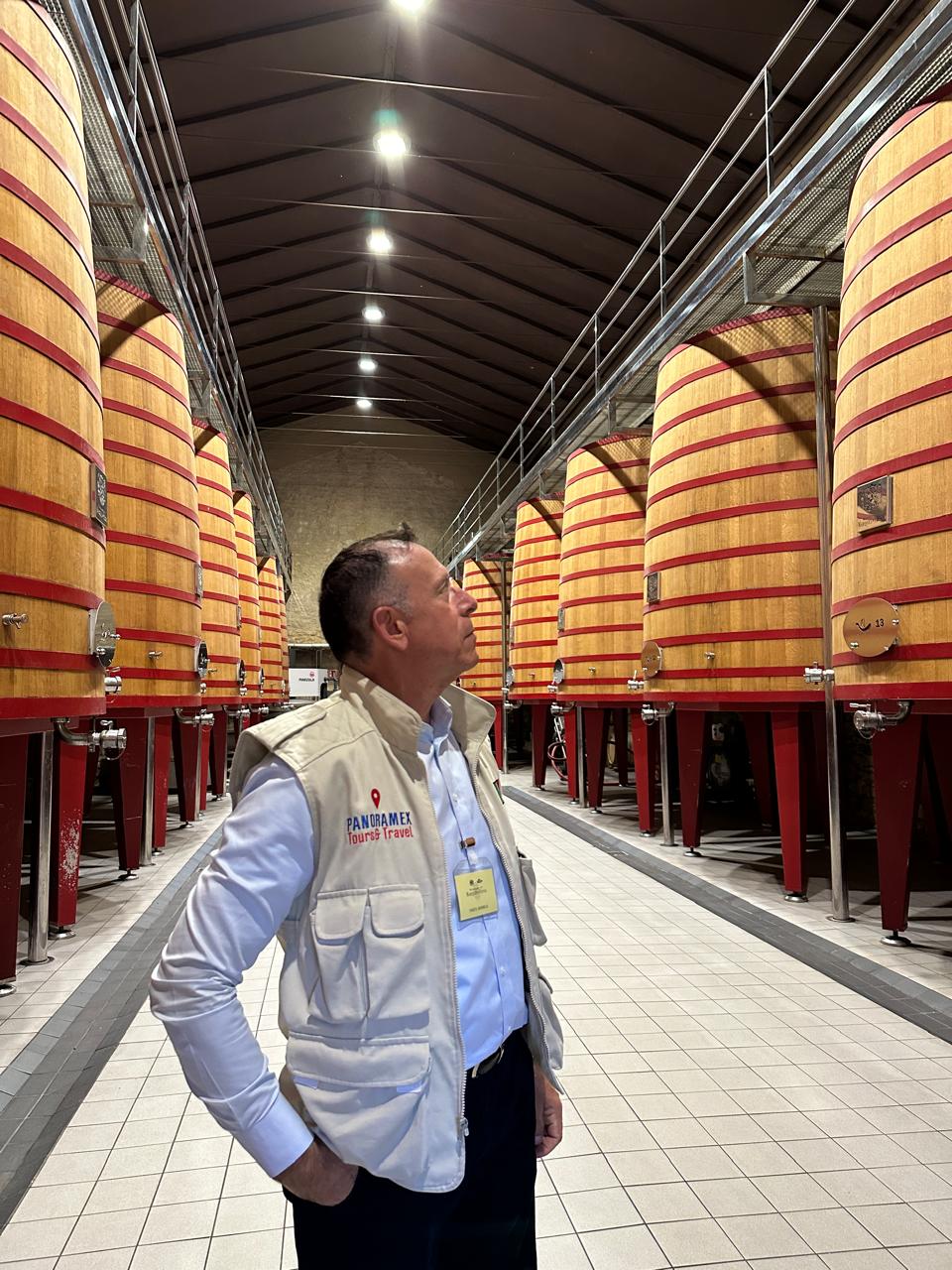
Barrels cease to be merely containers for aging wine. Darkness is no longer simply a technical requirement. Stone walls, corridors, staircases, underground spaces, and production rooms become part of a story.
Industry becomes heritage.
And visitors begin consuming something beyond wine.
They begin consuming memory.
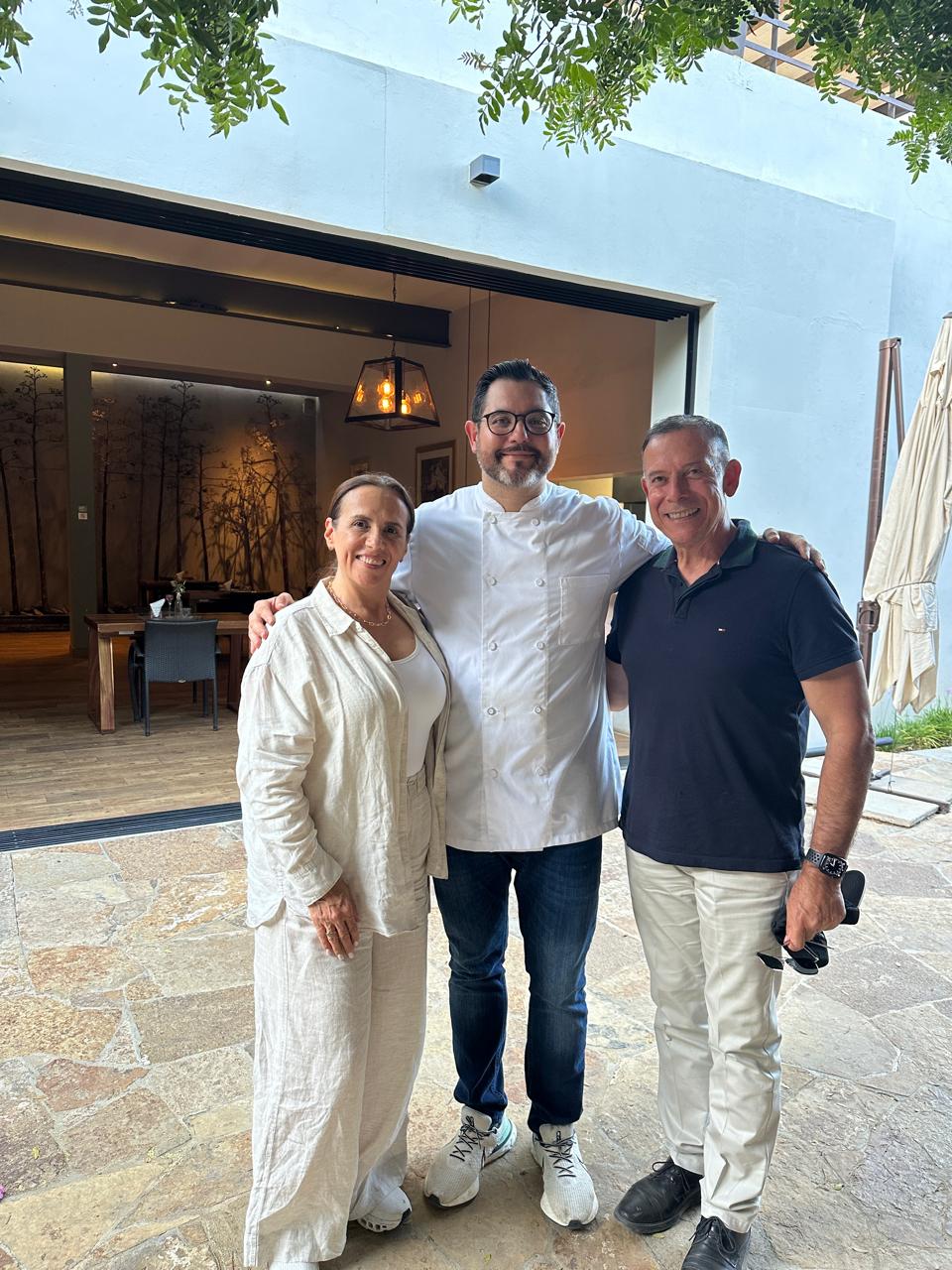
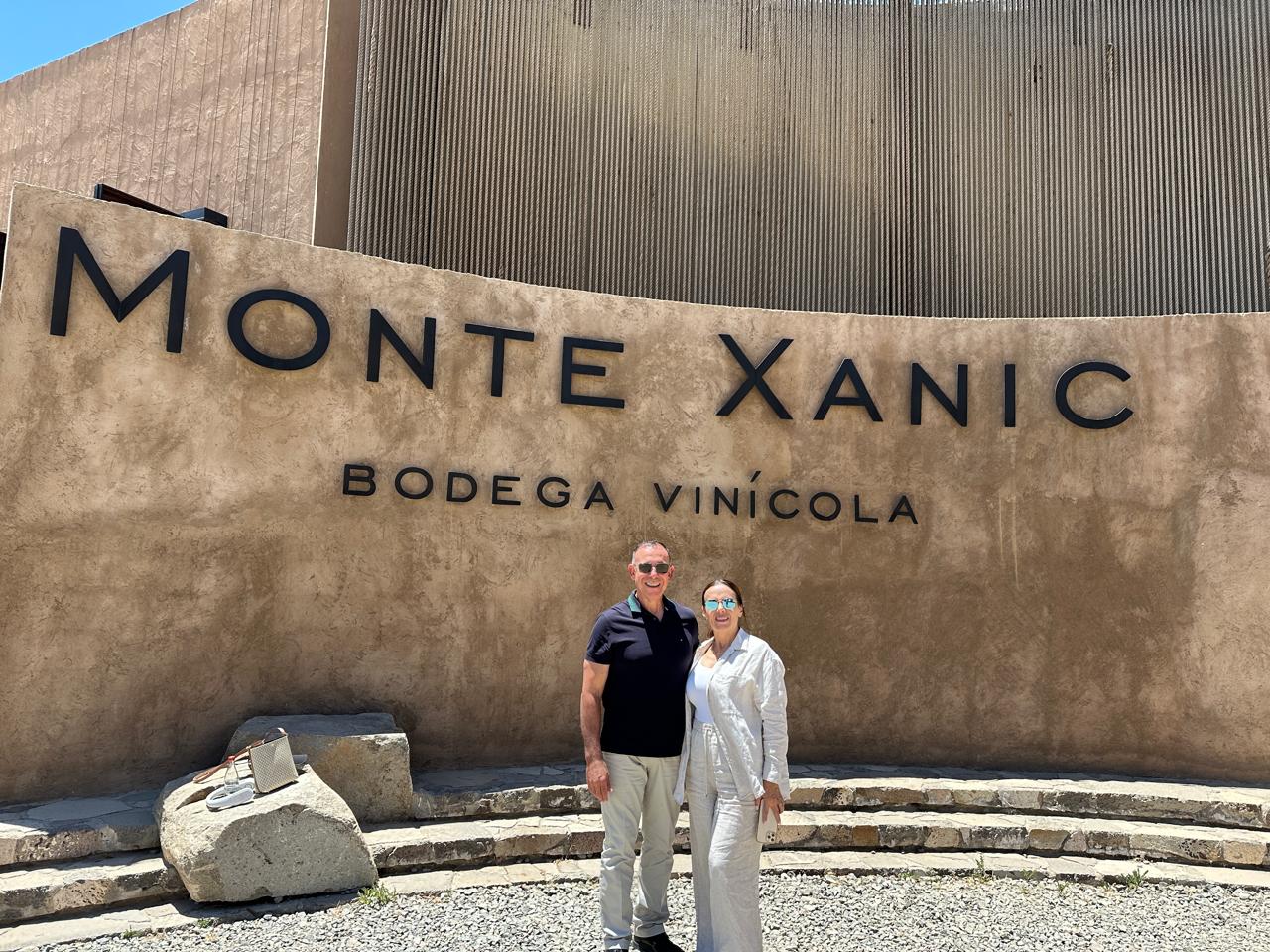
Monte Xanic and a New Visual Identity for Mexican Wine
Then came another generation.
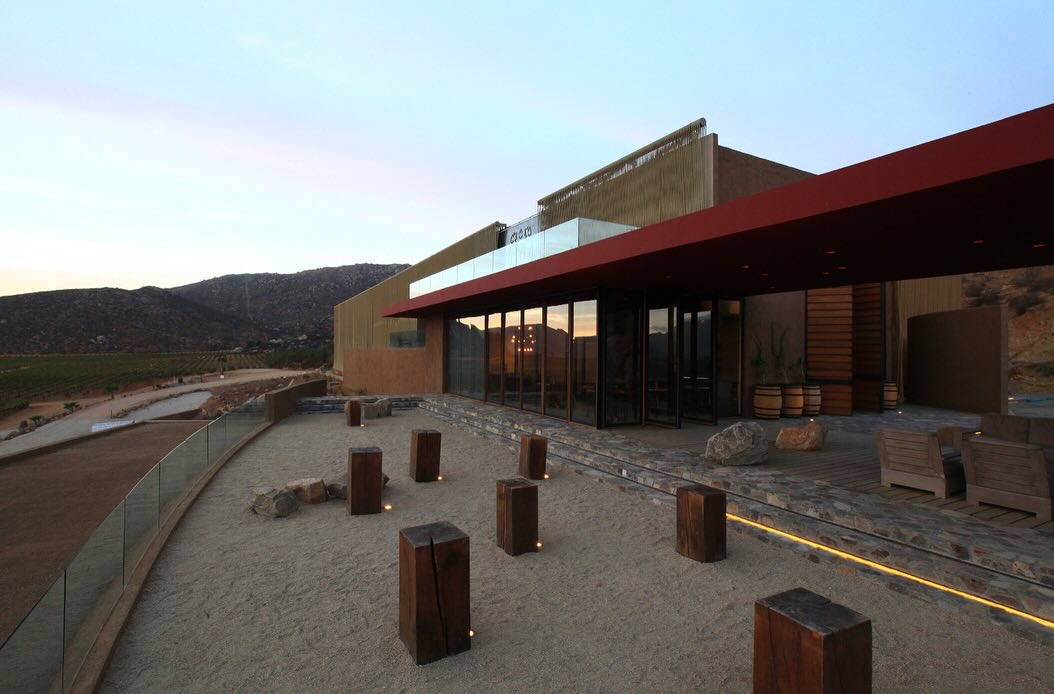
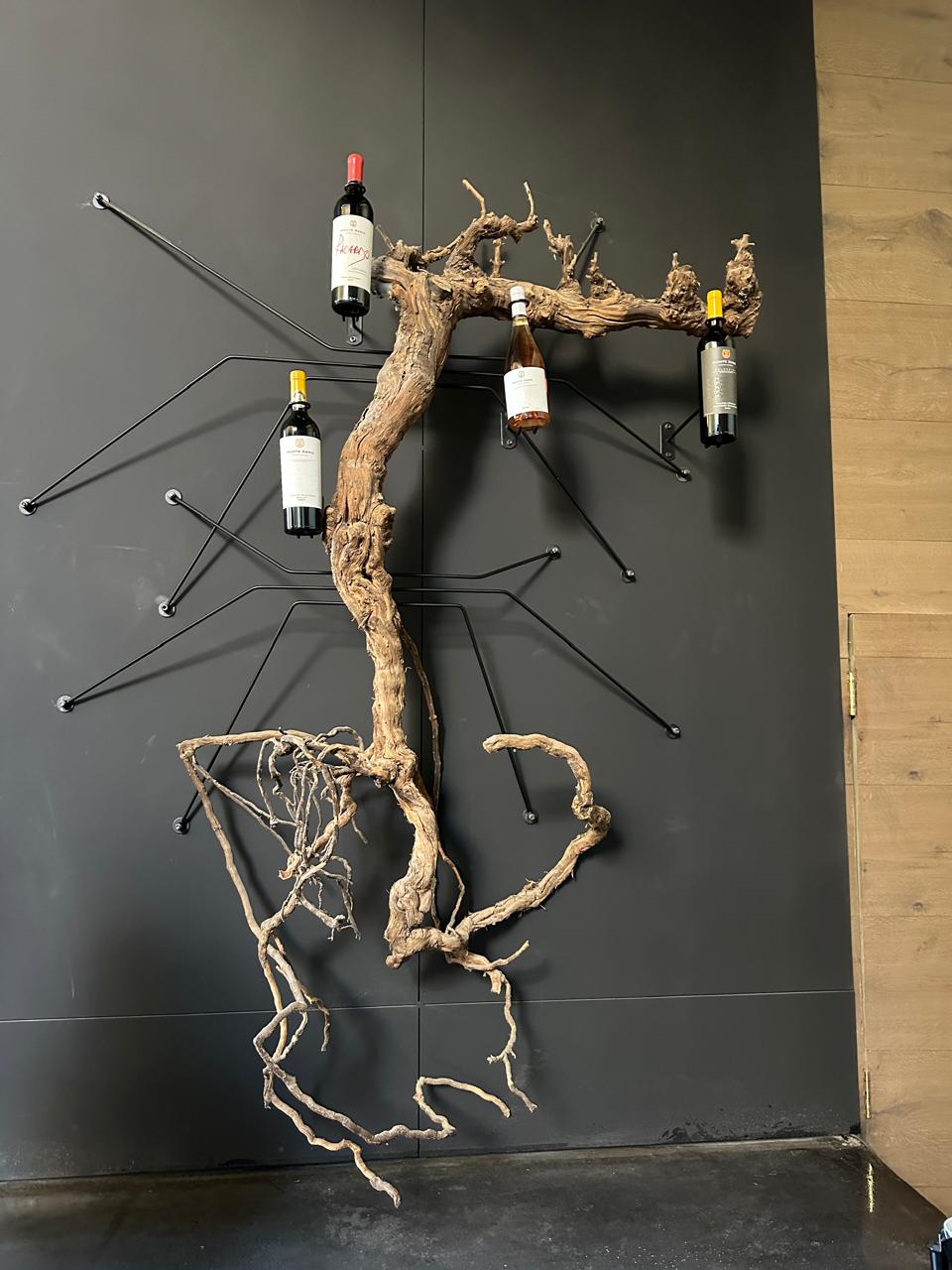
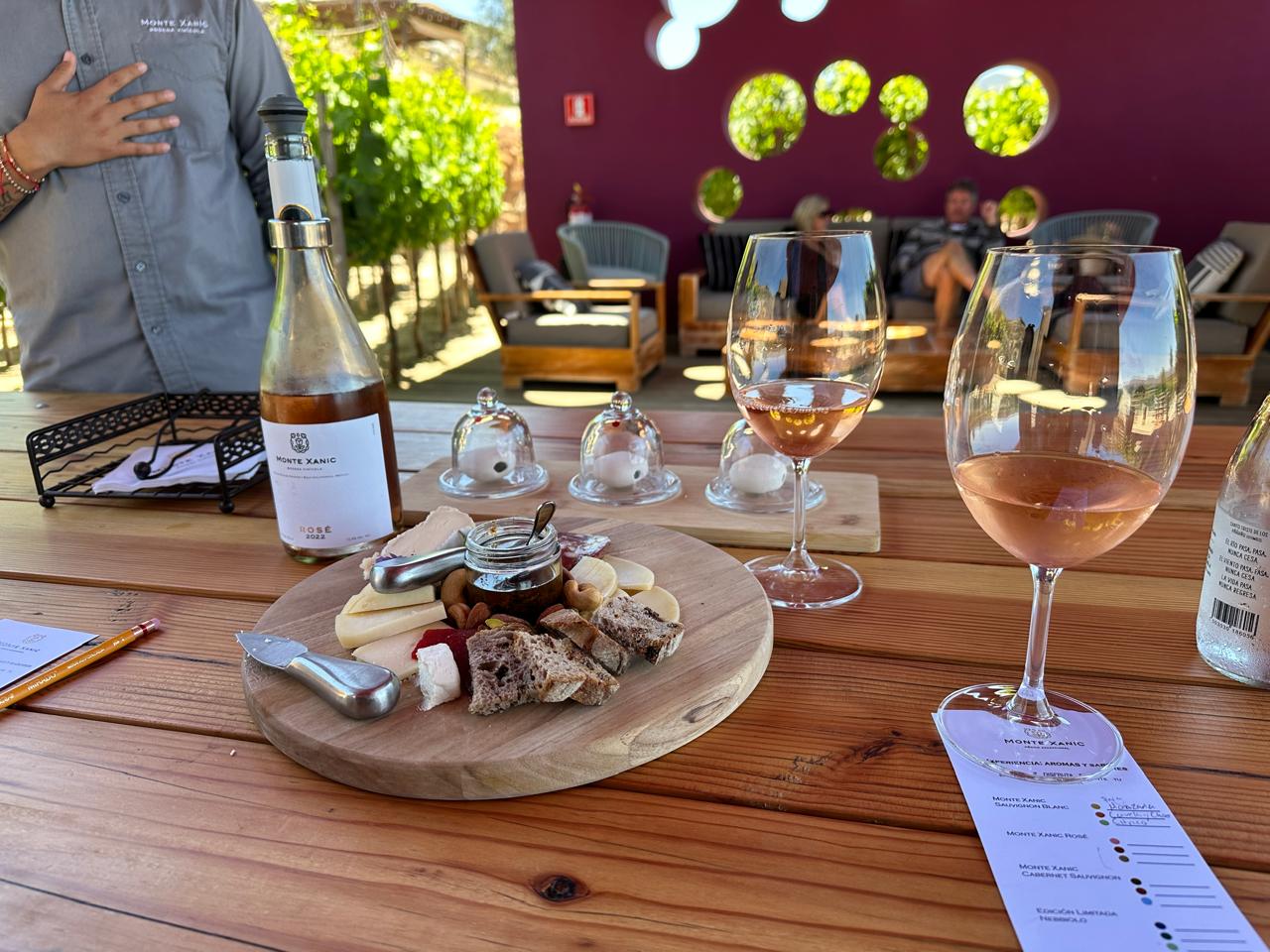
Monte Xanic emerged as one of the names associated with the modernization and premium positioning of Mexican wine. Architecture became part of that transformation.
Rather than simply reproducing a European château or a nostalgic colonial building, the winery embraced a more contemporary relationship between structure and landscape.
That distinction reveals something particularly interesting about Valle de Guadalupe:
the region never settled on a single architectural language.
Across the valley one finds stone, timber, weathered steel, rammed earth, recycled objects, monumental concrete, buildings partially buried into hillsides, and structures designed almost entirely around views.
Some are discreet.
Others are theatrical.
Yet many share a desire to build not simply in the valley but from the valley.
This experimental character has become one of Baja California wine country’s defining strengths.
Architecture here is often less concerned with reproducing the past than with interpreting climate, scarcity, materials, and landscape.
And that changes the meaning of authenticity.
A building does not need to be two hundred years old to feel authentic.
It can be completely new and still express, with remarkable honesty, the culture, environment, and creative spirit of the place in which it stands.
The Other Revolution in Valle de Guadalupe: Food
It would be impossible to explain the rise of Valle de Guadalupe without discussing what happened at the table.
In many traditional wine regions, food originally played a supporting role.
In Baja California, gastronomy became one of the primary reasons to make the journey.
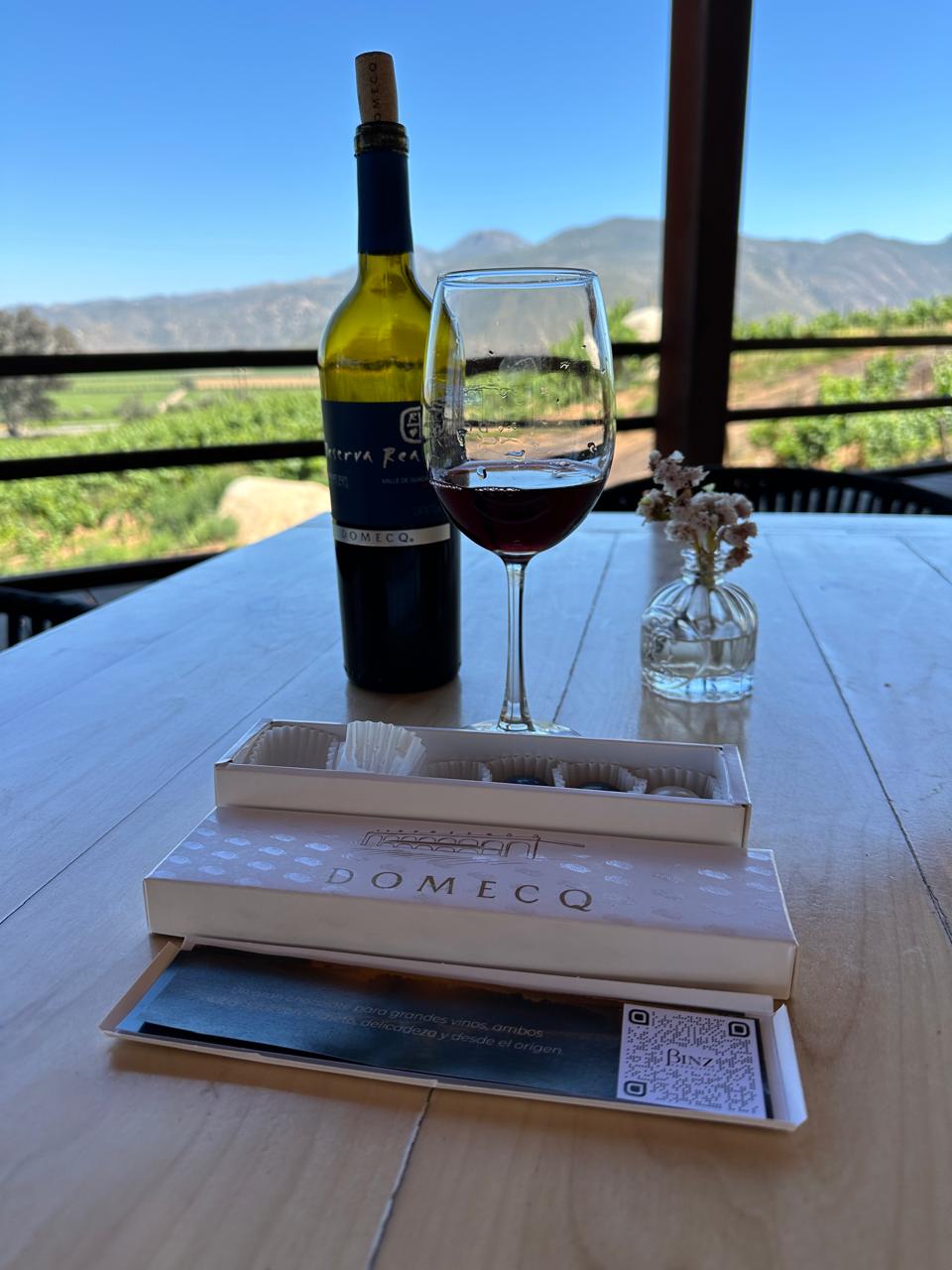
Restaurants such as Fauna, Animalón, Deckman’s, Damiana, Bruma Wine Garden, and Conchas de Piedra, among many others, helped transform the valley into a destination where travelers plan their days not only around wineries but around reservations.
And Baja California possesses an extraordinary natural pantry.
The Pacific Ocean is nearby. The Sea of Cortez belongs to the wider culinary geography of the peninsula. Seafood, oysters, clams, fish, vegetables, olive oil, cheeses, herbs, meats, and local produce all find their way onto tables surrounded by vineyards.
The result is profound.
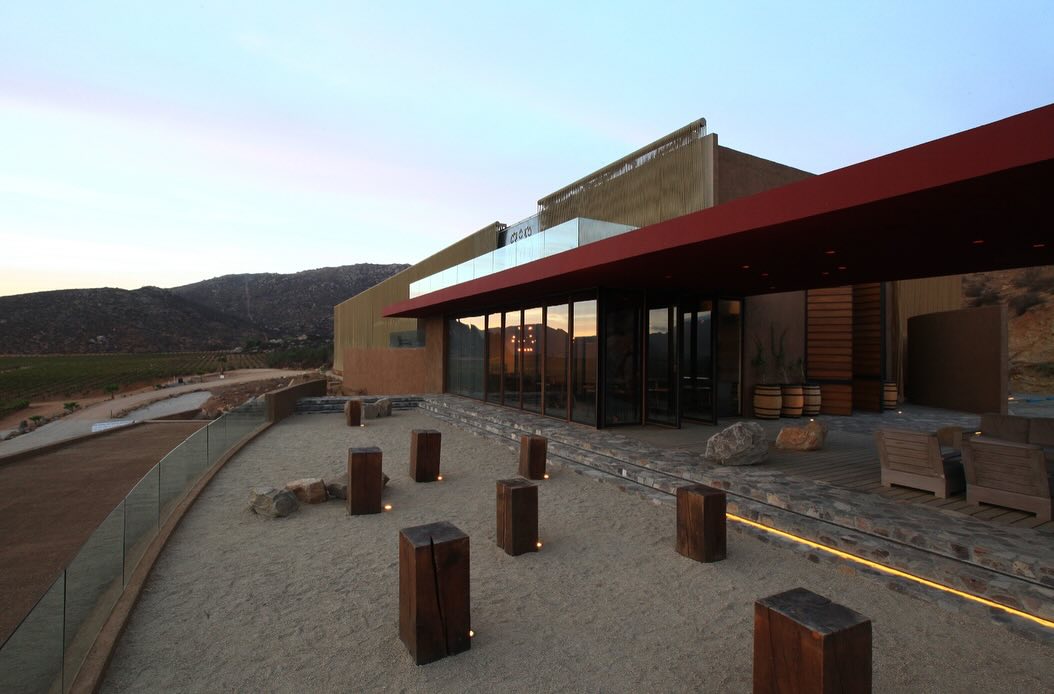
The restaurant stops being an accessory to the wine route and becomes part of the identity of the destination itself.
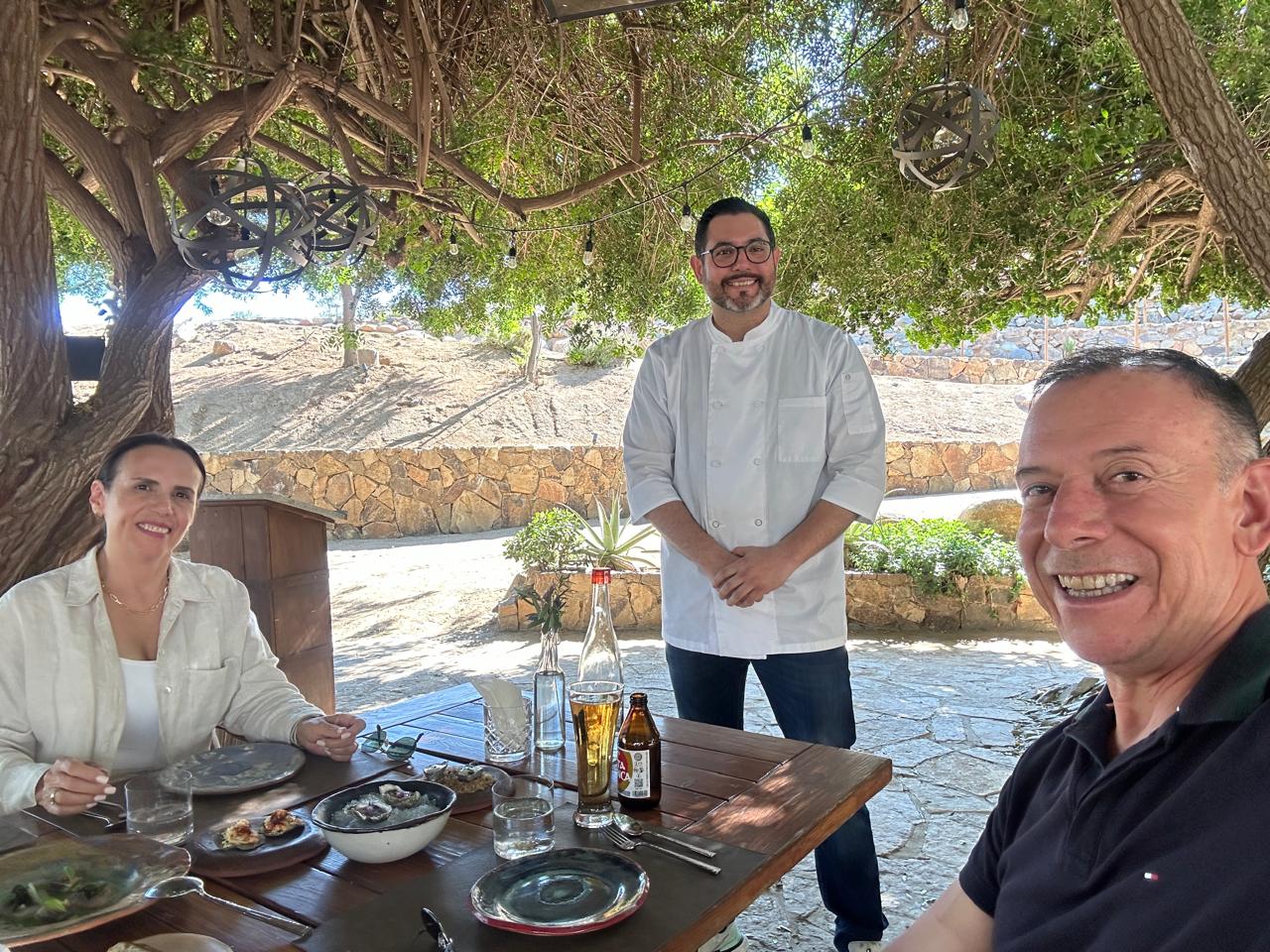
A traveler may arrive thinking about Cabernet Sauvignon, Grenache, or Nebbiolo and leave remembering an oyster, a wood-fired fish, vegetables harvested that morning, or a long lunch beneath an oak tree overlooking the vines.
At that point, wine tourism has evolved into something larger.
You are no longer visiting a winery.
You are entering a gastronomic territory.
Rioja: When Architecture Began Competing with the Wine for Attention
Several thousand miles away, Rioja presents an entirely different relationship between landscape, architecture, and beverage.
This is a region with centuries of winemaking history.
There are medieval towns, old cellars, historic estates, mature vineyards, and a deeply established architectural identity.
Which is precisely why what happened during the late twentieth and early twenty-first centuries was so fascinating.
Rather than hiding contemporary architecture in order to protect an idealized image of tradition, several wineries did the opposite.
They invited internationally recognized architects to reinterpret the landscape.
The result changed wine tourism.
Some wineries became destinations even for travelers who might struggle to explain the difference between Tempranillo and Garnacha.
Bodegas Ysios: Santiago Calatrava Draws the Mountains
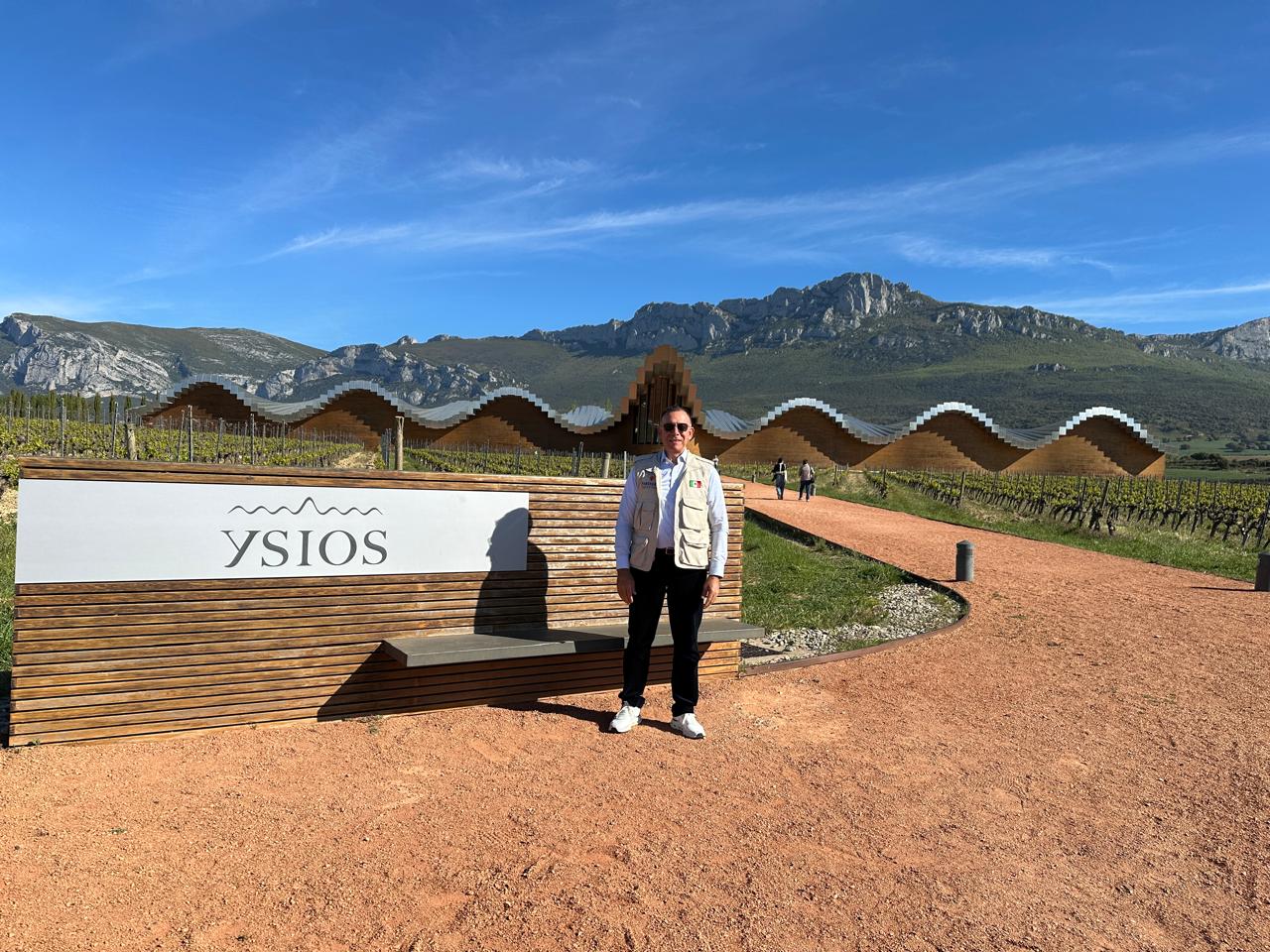
Few approaches to a winery are as immediately theatrical as the arrival at Bodegas Ysios, near Laguardia in Rioja Alavesa.
First comes the Sierra de Cantabria.
Then the vineyards.
And between them appears a long, undulating building whose roofline seems to rise and fall in response to the mountains behind it.
Designed by Santiago Calatrava, Ysios demonstrates something fundamental about contemporary winery architecture.
A building does not have to look old in order to belong to a historic landscape.
Nor does it have to disappear.
Ysios does almost the opposite.
It announces itself.
Its waves and reflections create a visual conversation with the mountains. The eye travels from building to vineyard, from vineyard to ridge, and back again.
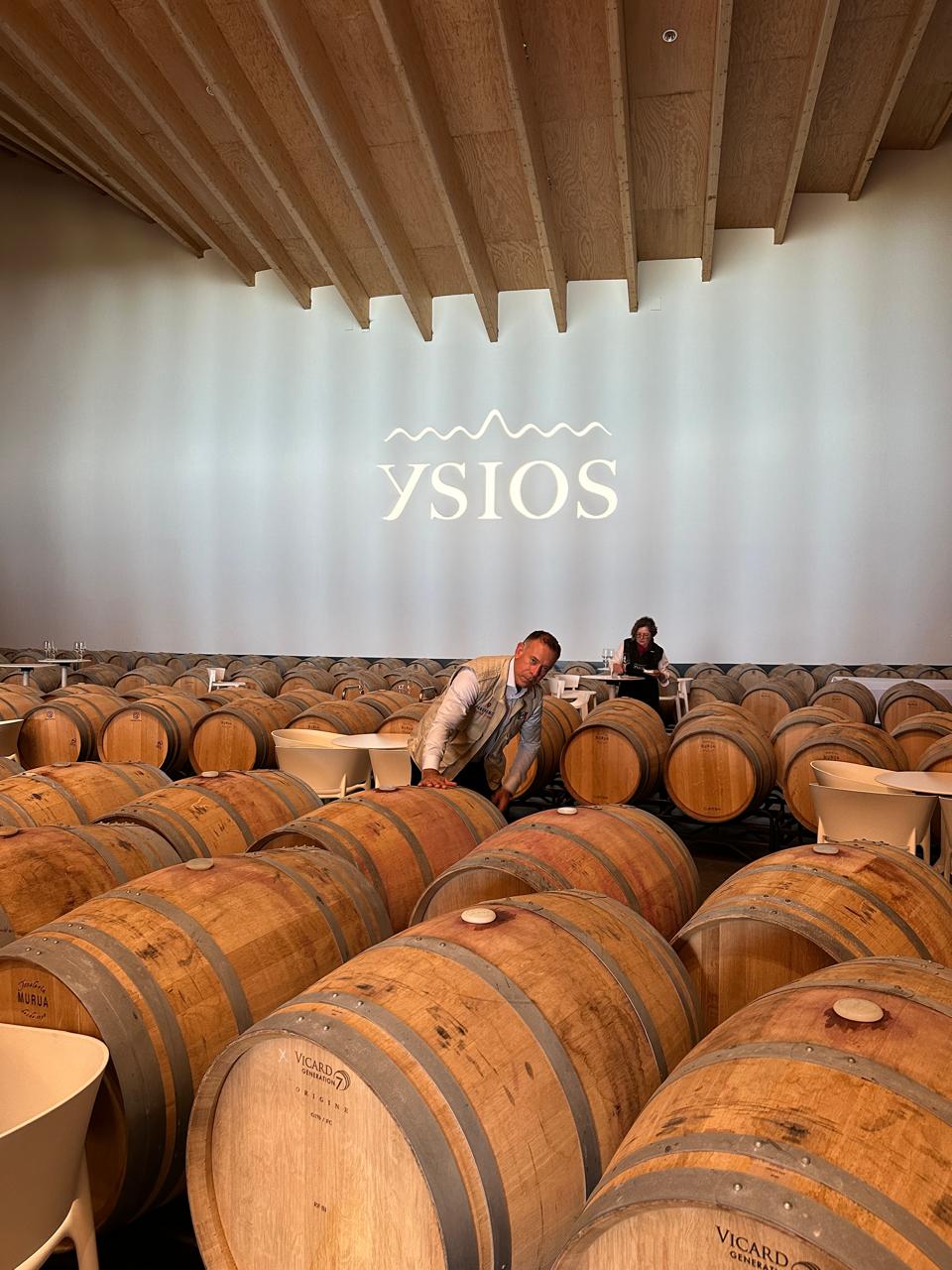
Eventually the separation between architecture and scenery begins to dissolve.
That is destination architecture at its most sophisticated.
Before the first glass has been poured, the visitor has already formed an impression of the wine, the winery, and the brand.
The tasting comes later.
The experience began the moment the building appeared at the end of the road.
Marqués de Riscal: When the Wine Label Became a Building
If Ysios creates a certain visual continuity with the landscape, Marqués de Riscal produces something closer to an architectural explosion.
Elciego is a small Rioja town surrounded by vineyards, stone buildings, tiled roofs, and centuries of history.
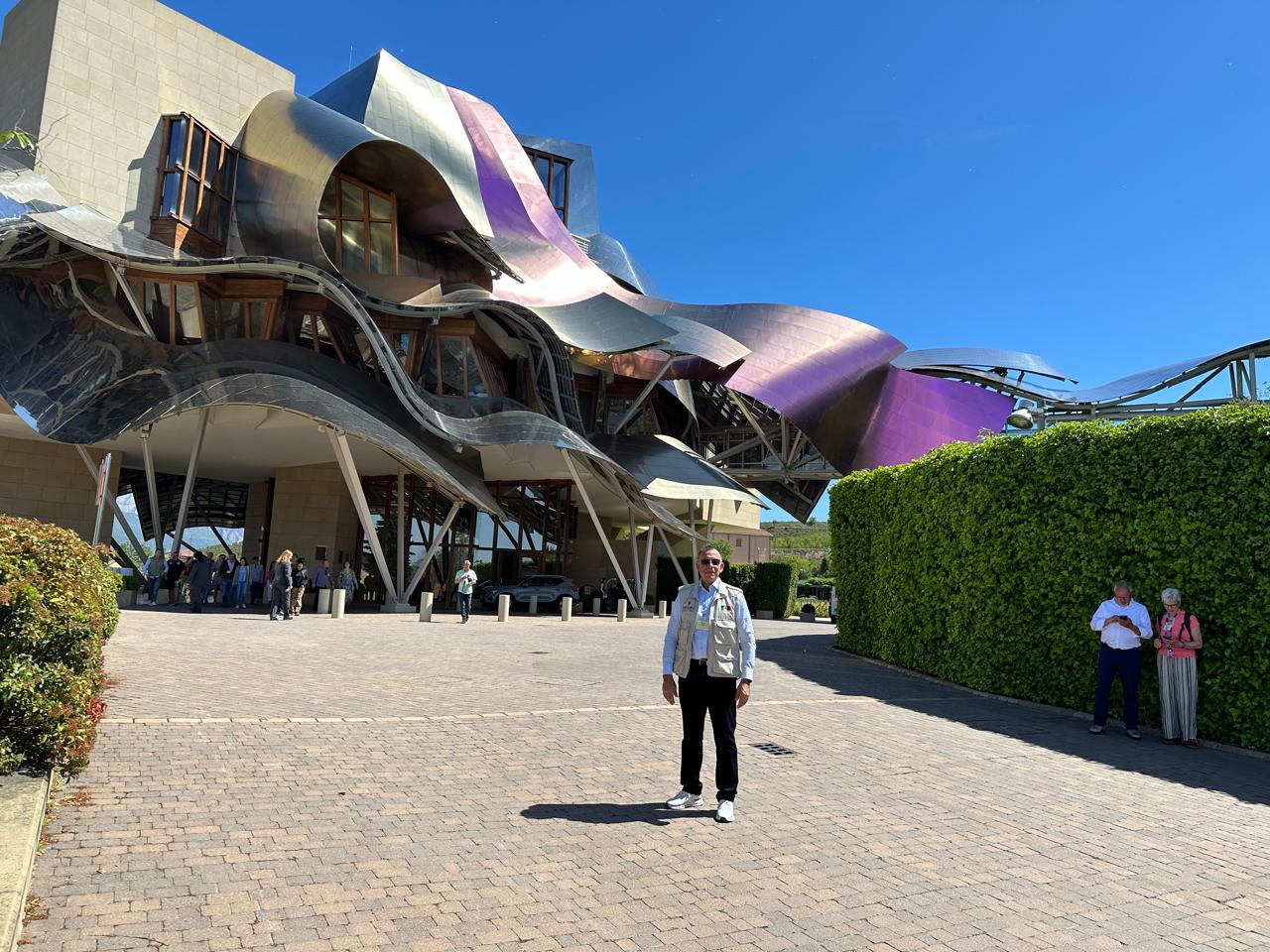
Then suddenly, rising above this restrained landscape, appear ribbons of titanium.
Pink.
Gold.
Silver.
Curving surfaces catch the changing light. Forms appear to fold over one another. Architecture seems almost to escape gravity.
This is Frank Gehry’s Hotel Marqués de Riscal, opened in 2006 as part of the winery’s ambitious City of Wine.
The contrast is deliberate.
Marqués de Riscal traces its history to the nineteenth century. Gehry’s building makes no attempt to imitate that past.
Instead, history and contemporary architecture stand next to each other.
The old cellars remain.
The vineyards remain.
The traditional structures remain.
And above them rises Gehry.
It is almost possible to read the history of wine simply by looking at the buildings.
The lesson is important.
Preserving tradition does not always require reproducing its architecture.
Sometimes the more powerful approach is to allow each generation to leave its own unmistakable mark.
From Winery Visit to Total Destination
Marqués de Riscal also understood another major transformation in wine tourism.
The contemporary traveler may want to do much more than taste and leave.
They may want to sleep, dine, drink, relax, and remain inside the world of the brand.
The estate combines winemaking, accommodation, gastronomy, wellness, architecture, and curated wine experiences.
This changes the economic and emotional meaning of the visit.
A traveler who once purchased a bottle may now book a hotel room, reserve dinner, take a private tasting, explore the vineyards, visit the cellar, purchase wine, and spend an entire day—or several days—in the region.
Architecture accomplishes something remarkable:
it extends the life of the beverage beyond the glass.
Jalisco: Tequila Was Building Its Own Landscape Long Before “Experiential Tourism” Became Fashionable
After Rioja and Baja California, returning to Mexico allows us to see Jalisco differently.
The tequila region possesses an extraordinary advantage.
Here, agriculture, industrial architecture, villages, history, and beverage have been shaping one another for centuries.
In 2006, UNESCO inscribed the Agave Landscape and Ancient Industrial Facilities of Tequila on the World Heritage List.
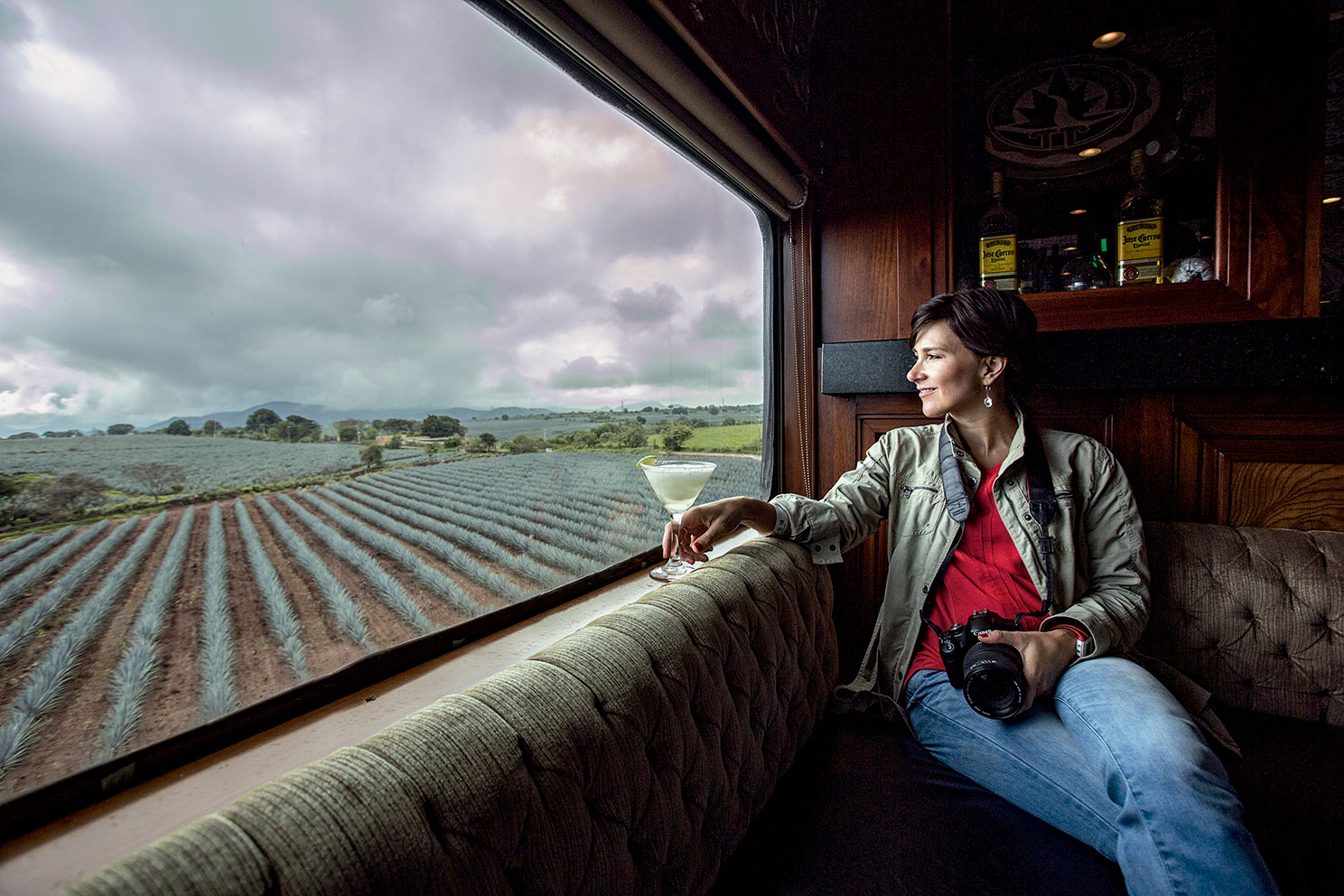
The cultural landscape includes vast fields of blue agave together with settlements and historic industrial facilities connected to tequila production.
The scale is breathtaking.
Rows of blue-green agaves create geometric patterns across the land. Depending on the time of day, they can appear silver, turquoise, or almost gray. In the distance, the Tequila Volcano dominates much of the horizon.
But there is an important difference between Jalisco and many contemporary wine destinations.
The historic architecture of tequila was not originally built to impress tourists.
It was built to make tequila.
Tourism came later.
The Tequila Valley: The Hacienda as Architecture, Industry, and Memory
The communities of Tequila, Amatitán, and El Arenal reveal much of the historical evolution of the drink.
Old tabernas, distilleries, ovens, courtyards, warehouses, cellars, and haciendas appeared and evolved as production methods changed and tequila grew from regional spirit to international industry.
This architecture was never stylistically frozen.
Across the tequila region, industrial buildings absorbed influences from different periods. Colonial traditions coexist with Neoclassical, Neo-Gothic, Neo-Colonial, Art Deco, functionalist, and modern elements.
That is worth remembering.
When visitors imagine tequila architecture, they often picture the perfect Mexican hacienda:
arcades, fountains, courtyards, gardens, thick walls, tile, warm colors, perhaps a row of wooden barrels.
The historical reality is far more interesting.
Tequila architecture changed because tequila itself changed.
The buildings are documents.
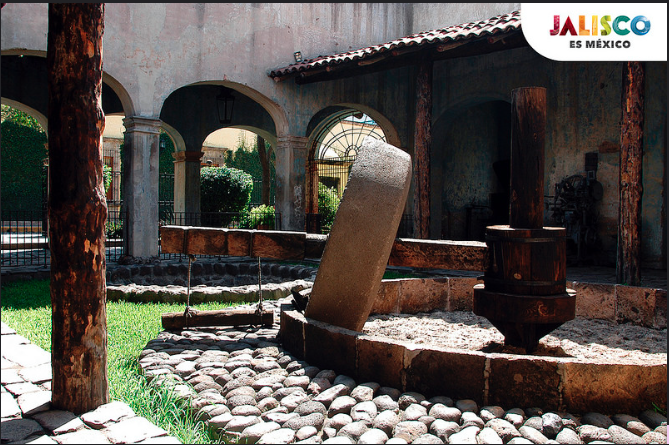
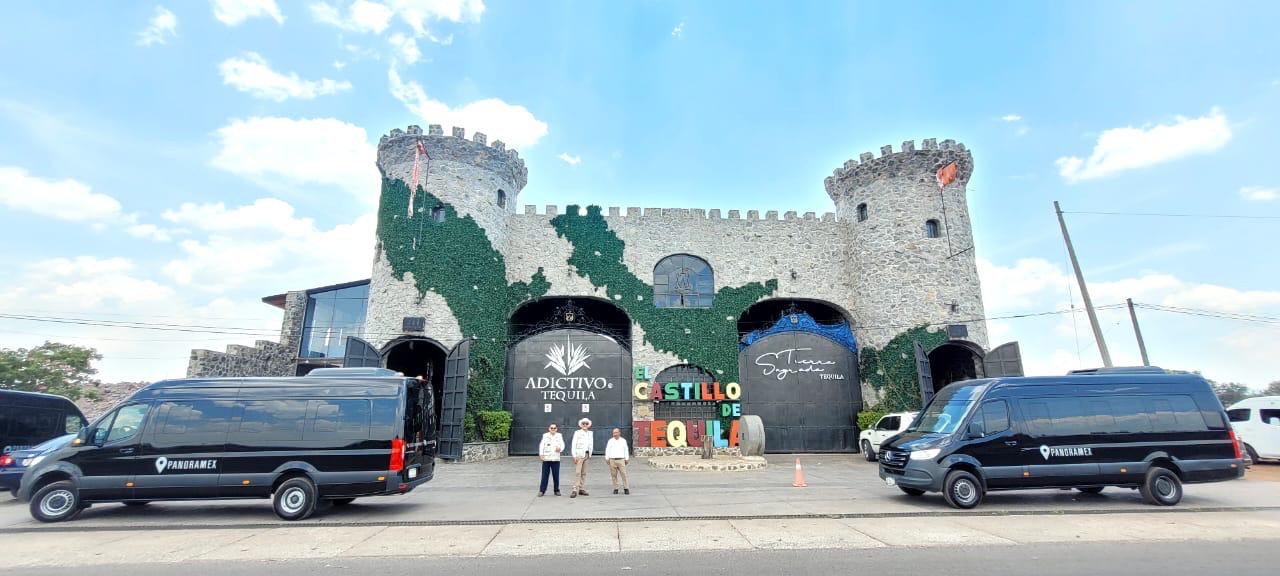
Casa Sauza, for example, offers a particularly useful way to understand this relationship between production, heritage, and tourism. Its historic spaces—including La Perseverancia and La Quinta Sauza—allow visitors to move through a story that began as an industrial one and later became cultural heritage.
Once again the transformation occurs:
the factory becomes history,
history becomes heritage,
and heritage becomes experience.
The Danger of Manufacturing Authenticity
But Jalisco faces a fascinating paradox.
As tourism grows, so does demand for images visitors instantly recognize as “Mexican.”
Perfect haciendas.
Arches.
Fountains.
Bright façades.
Barrels.
Courtyards.
Neocolonial details.
The problem begins when the image of the past becomes more commercially useful than the past itself.
Some tourist developments reproduce historic styles while genuinely old industrial structures elsewhere remain neglected, difficult to access, or largely invisible to visitors.
This raises one of the most interesting questions in modern tourism:
What does a traveler actually mean when asking for authenticity?
Do we really want something authentic?
Or do we want something that looks exactly like the image of authenticity we already carried in our minds?
It is an uncomfortable question.
And it applies far beyond tequila.
Historic towns throughout the world face the same tension: the temptation to transform living places into carefully composed stages.
Authenticity can become a design language.
Tradition can become branding.
And heritage can become scenery.
The challenge for the great tequila estates is therefore not merely to create beautiful spaces.
It is to tell the truth of the landscape convincingly enough that beauty does not have to replace history.
Tequila Meets the Table
For decades, much of tequila tourism focused heavily on process and tasting.
Visitors learned about harvesting, cooking, fermentation, distillation, aging, and finally the ritual of drinking the spirit.
But another transformation is underway.
Tequila is increasingly finding its place at the table.
Restaurants in the region are exploring a more sophisticated relationship between agave spirits and Mexican cuisine.
In the town of Tequila, restaurants such as La Antigua Casona present contemporary interpretations of Mexican cooking within an environment that reinforces the cultural identity of the destination.
Other tequila houses are integrating meals and pairing experiences into their visitor programs.
Conceptually, this is a major shift.
Tequila no longer needs to arrive only before or after dinner.
It can participate in dinner.
It can interact with chiles, mole, citrus, roasted meats, corn, chocolate, fruits, herbs, spices, and traditional cooking techniques.
Jalisco has an enormous opportunity here.
If Valle de Guadalupe succeeded in making regional gastronomy inseparable from its wines, the Tequila Route has the potential to create an equally powerful relationship between Mexican cuisine and agave.
And arguably, the cultural vocabulary available to tequila is even broader.
Los Altos de Jalisco: Another Tequila Landscape Entirely
To speak about tequila only through the town of Tequila would be to ignore another remarkable landscape.
Travel east toward Los Altos de Jalisco, the highlands.
Everything begins to change.
Elevation.
Light.
Vegetation.
Architecture.
And most visibly, the soil.
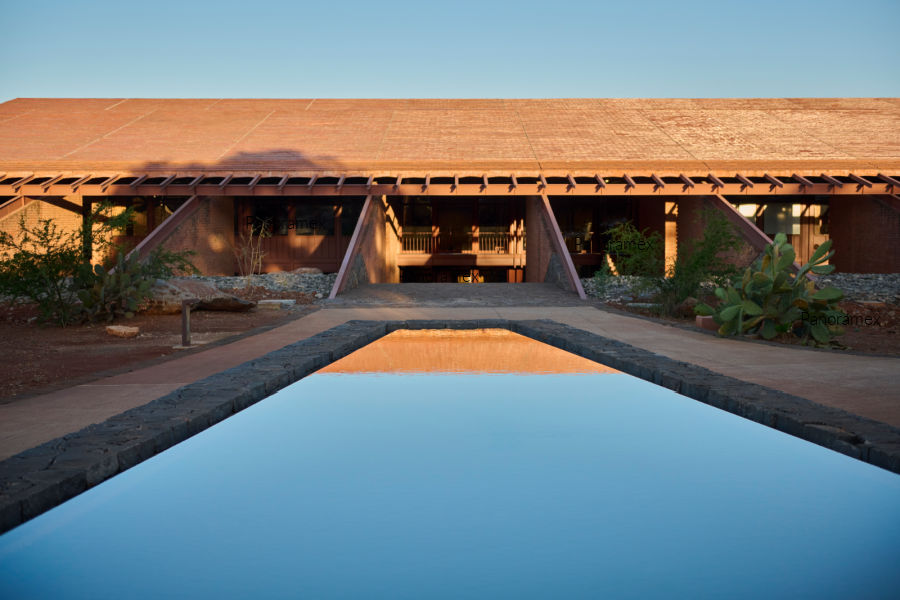
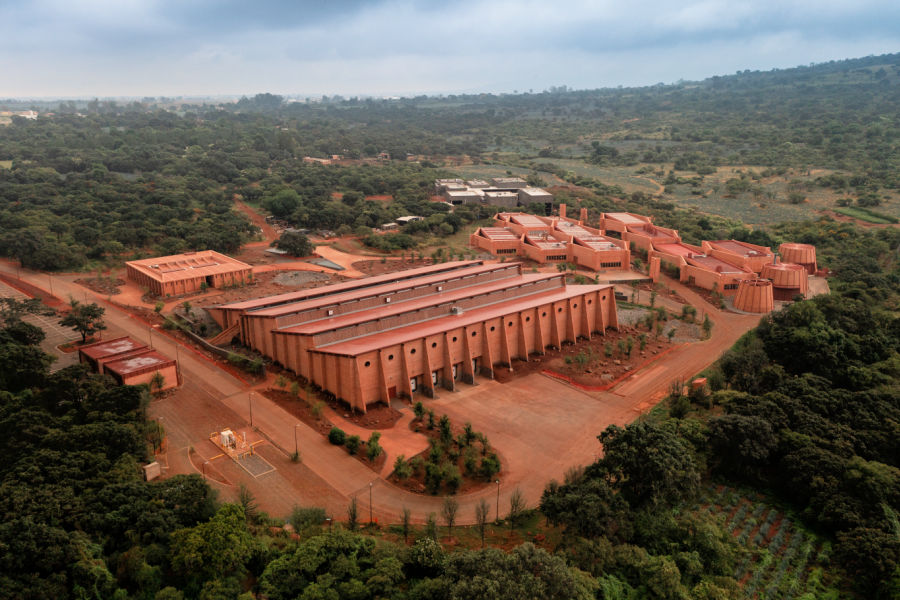
The deep reddish earth of Los Altos creates a striking contrast with the blue-green agaves planted across the high plateau.
The region has long been central to tequila production, but today some producers are approaching hospitality with a vocabulary closer to international luxury travel.
One of the most ambitious examples is La Hacienda de Clase Azul.

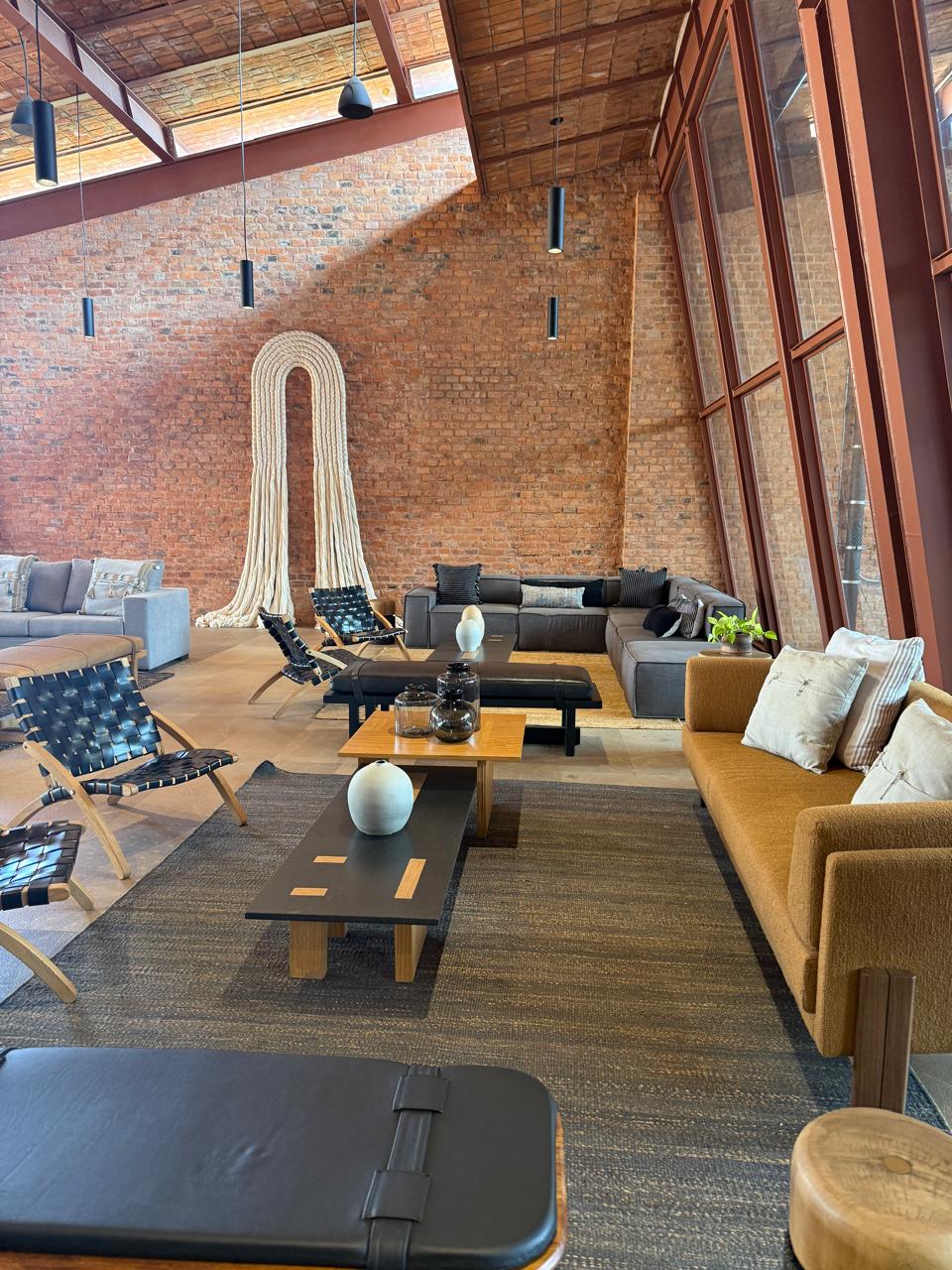
Rather than presenting tequila production as an isolated industrial process, the project brings together architecture, craftsmanship, landscape, hospitality, gastronomy, and the making of both tequila and the brand’s distinctive ceramic decanters.
The comparison with Rioja becomes tempting.
Not because the buildings look alike.
They do not.
The similarity lies in the strategy.
The beverage is no longer expected to carry the entire experience by itself.
An entire universe is built around it.
From the Tasting Room to the Fine-Dining Table
This is perhaps the most important development connecting Rioja, Valle de Guadalupe, and Jalisco.
The tasting room has expanded.
First came the winery visit.
Then the restaurant.
Then the boutique hotel.
Then wellness.
Private dining.
Chef’s tables.
Architecture.
Art.
Craft.
Design.
Landscape experiences.
The beverage becomes the center of a larger constellation.
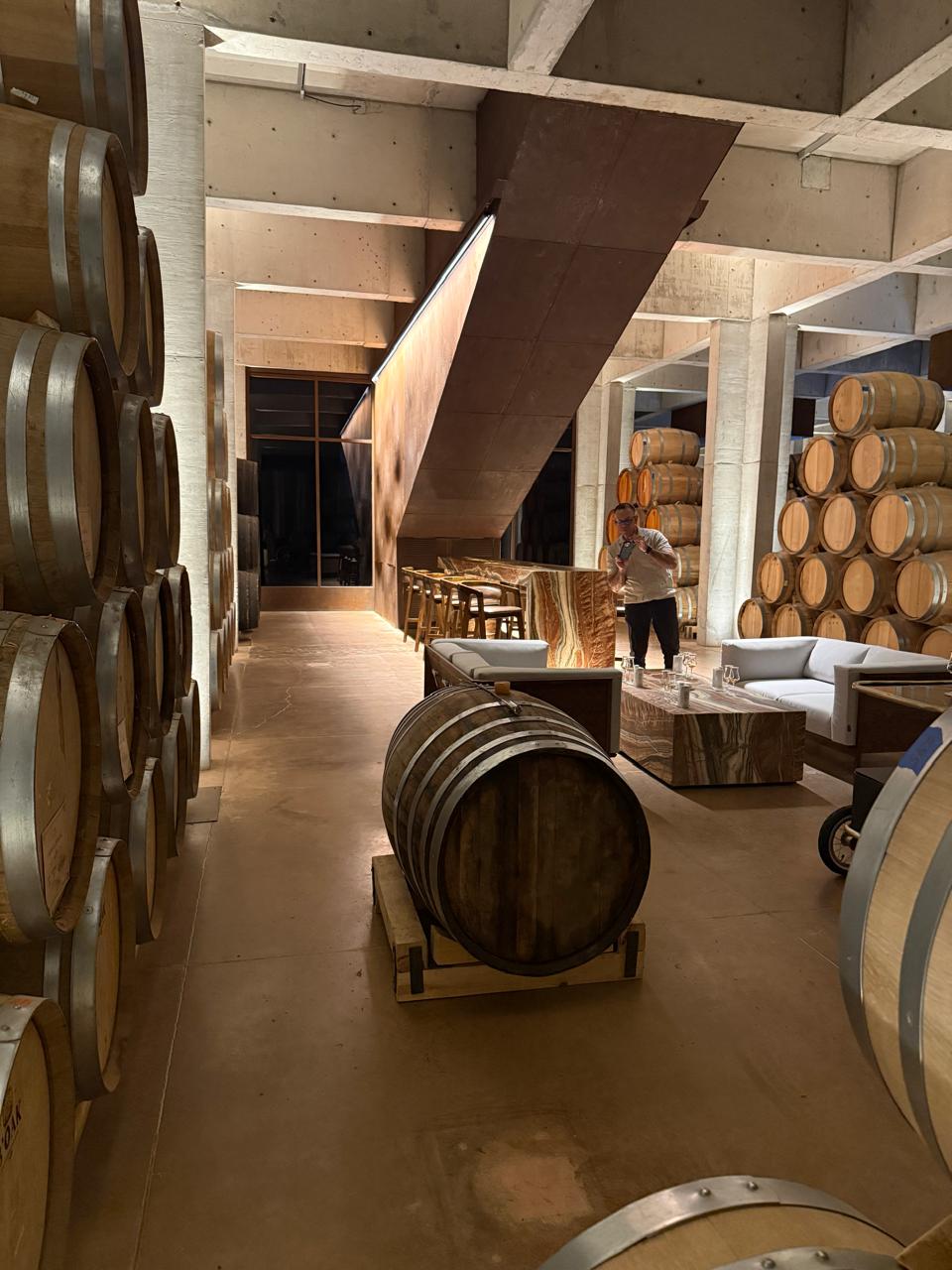
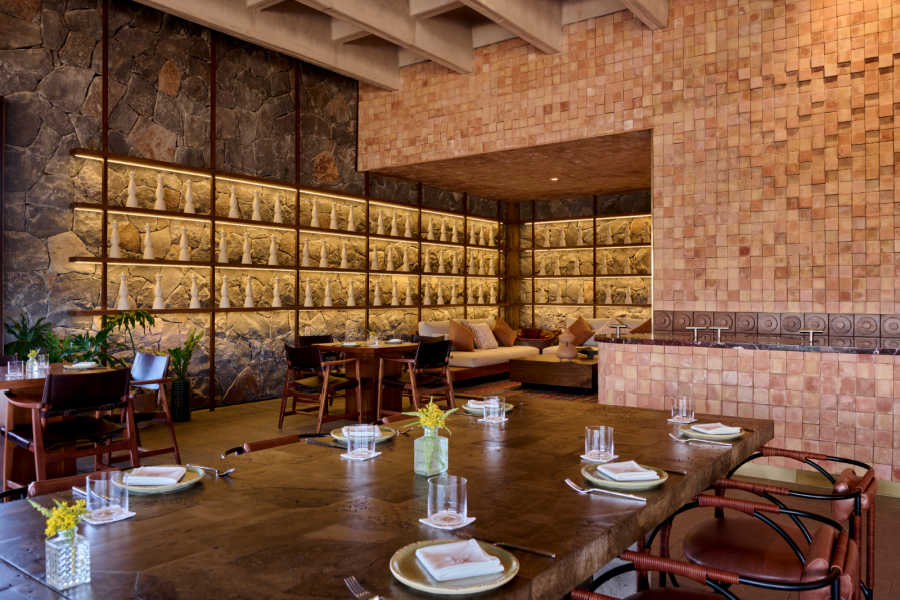
In Los Altos, contemporary gastronomic concepts are increasingly exploring this territory. At La Hacienda de Clase Azul, for example, OYA approaches Mexican cuisine through both ancestral and contemporary expressions, placing food within the same cultural world as the tequila.
This raises a compelling question:
Is tequila entering the same experiential revolution that transformed wine tourism?
Not in the sense of production.
In the sense of destination building.
The international wine industry discovered long ago that great architecture could elevate perception.
Then it discovered that gastronomy could extend the visit.
Hotels followed.
Wellness followed.
Private experiences followed.
Art, landscape interpretation, and design followed.
Tequila is now moving into similar territory—but it has the opportunity to do so without copying Napa Valley, Rioja, or Valle de Guadalupe.
It does not need to become any of them.
Jalisco possesses something none of them can reproduce:
the blue-agave landscape, the historic tequila hacienda, the jimador tradition, and a spirit that has become one of Mexico’s most recognizable cultural symbols.
Four Landscapes, Four Different Ideas of Authenticity
Once these regions are viewed together, their differences become more revealing than their similarities.
Valle de Guadalupe derives much of its contemporary authenticity from freedom and experimentation: inventive architecture, raw materials, open-air kitchens, chef-driven restaurants, and an immediate relationship between vineyards and landscape.
Rioja Alavesa allows centuries of winemaking tradition to coexist unapologetically with architectural icons. Ysios does not pretend to be an eighteenth-century cellar. Frank Gehry’s Marqués de Riscal makes no such attempt either. Their modernity is part of their authenticity.
The Tequila Valley of Jalisco possesses an entirely different advantage: an extraordinary depth of industrial and cultural heritage. Its challenge is not necessarily to invent a new architectural identity, but to conserve, interpret, and reveal the architecture it already has.
Los Altos de Jalisco, meanwhile, appears to be writing a new chapter—one in which tequila, Mexican craftsmanship, contemporary architecture, fine dining, and luxury hospitality come together in increasingly ambitious ways.
And across all four landscapes, gastronomy provides the thread capable of connecting everything.
The Real Luxury Is Understanding Why a Drink Belongs to a Place
For years, perhaps, luxury was too easily confused with price.
An expensive bottle.
A rare vintage.
A prestigious label.
An extra-aged tequila.
Something difficult to obtain.
But traveling through the world’s great wine and spirits regions suggests another definition.
The real luxury may simply be understanding.
Understanding why a grape thrives on a particular slope in Rioja.
Feeling the dryness of Valle de Guadalupe.
Seeing the red soil of Los Altos.
Standing beneath the Tequila Volcano while blue agaves stretch toward the horizon.
Walking afterward into a cellar, a distillery, or a hacienda.
Sitting at a table where ingredients come from the same geography.
And finally lifting the glass.
Something remarkable happens at that moment.
The liquid may be exactly the same one available in a restaurant or wine shop thousands of miles away.
But we are no longer the same drinker.
We understand the context.
We have seen the architecture.
We have walked through the landscape.
We have heard the history.
We have tasted the cuisine.
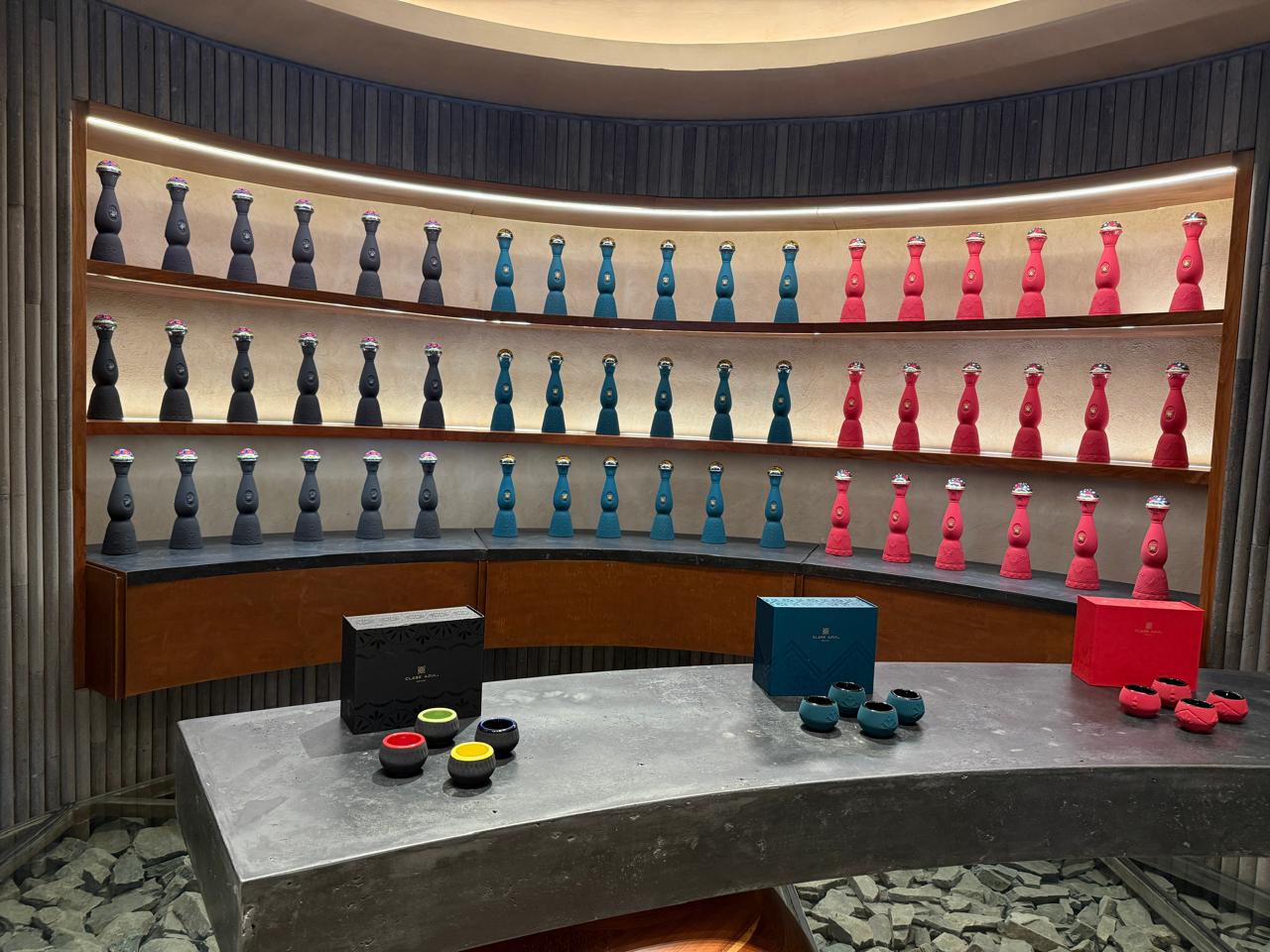
The bottle is no longer an isolated object.
It has become a concentrated expression of a territory.
Perhaps that is why travelers continue to journey to Rioja, Valle de Guadalupe, and Jalisco even when their finest wines and tequilas can be purchased around the world.
Some things can travel inside a bottle.
Others remain permanently attached to the place where that bottle was born.
The traveler does not journey simply to drink wine or tequila. For a few unforgettable hours, the traveler comes to drink the landscape itself.